WYSIWYG - What You See Is What You Get
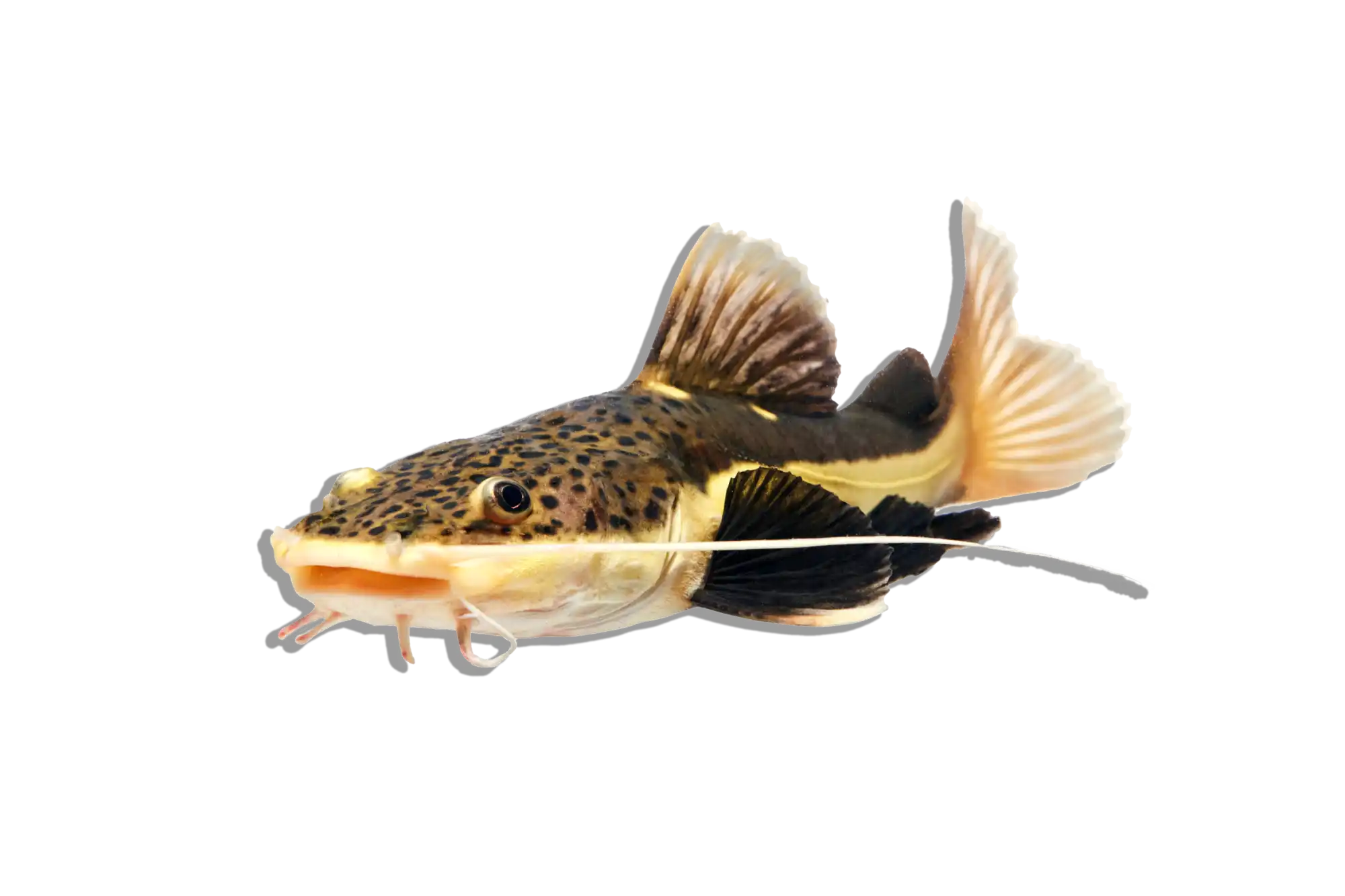
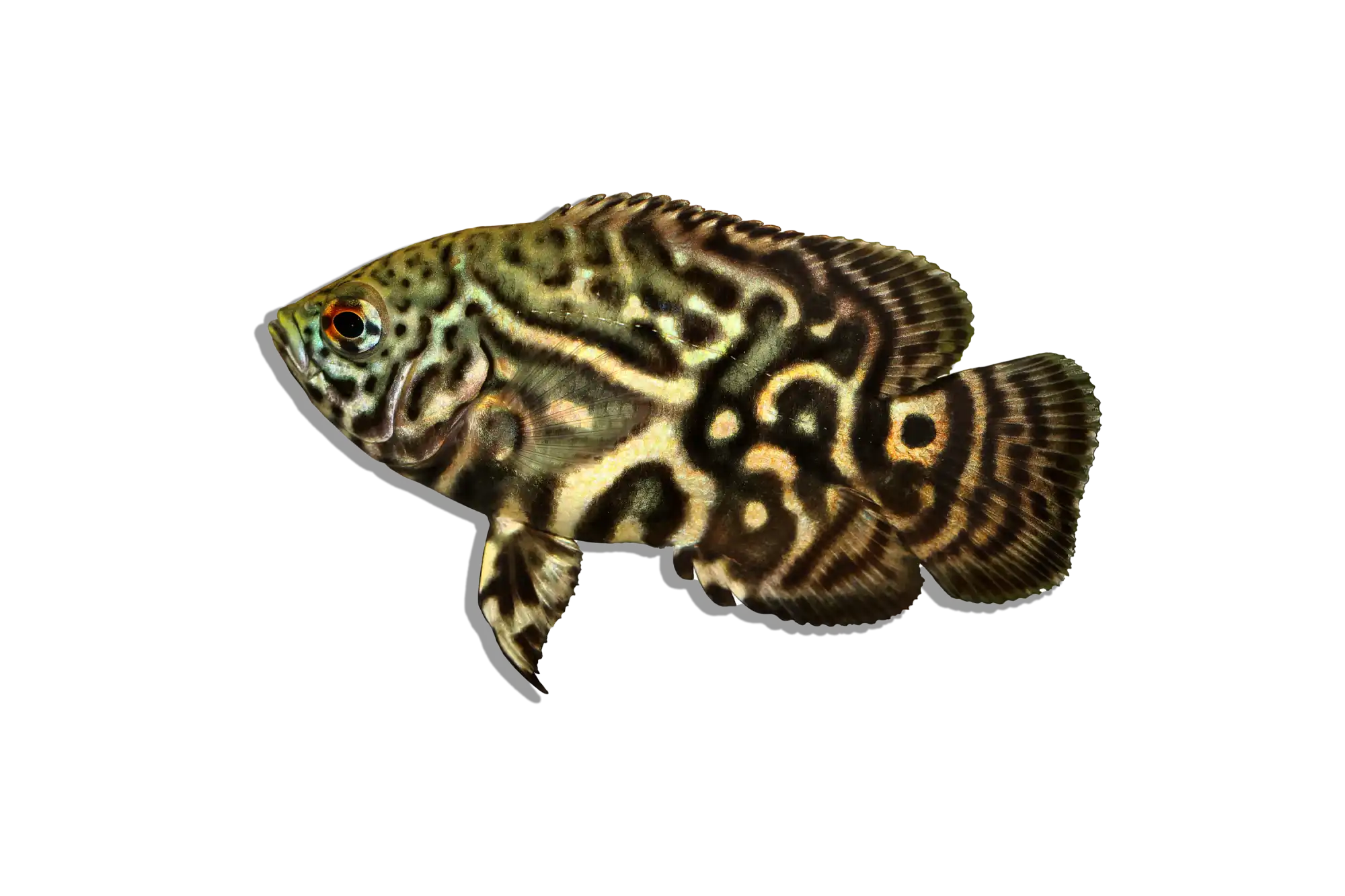
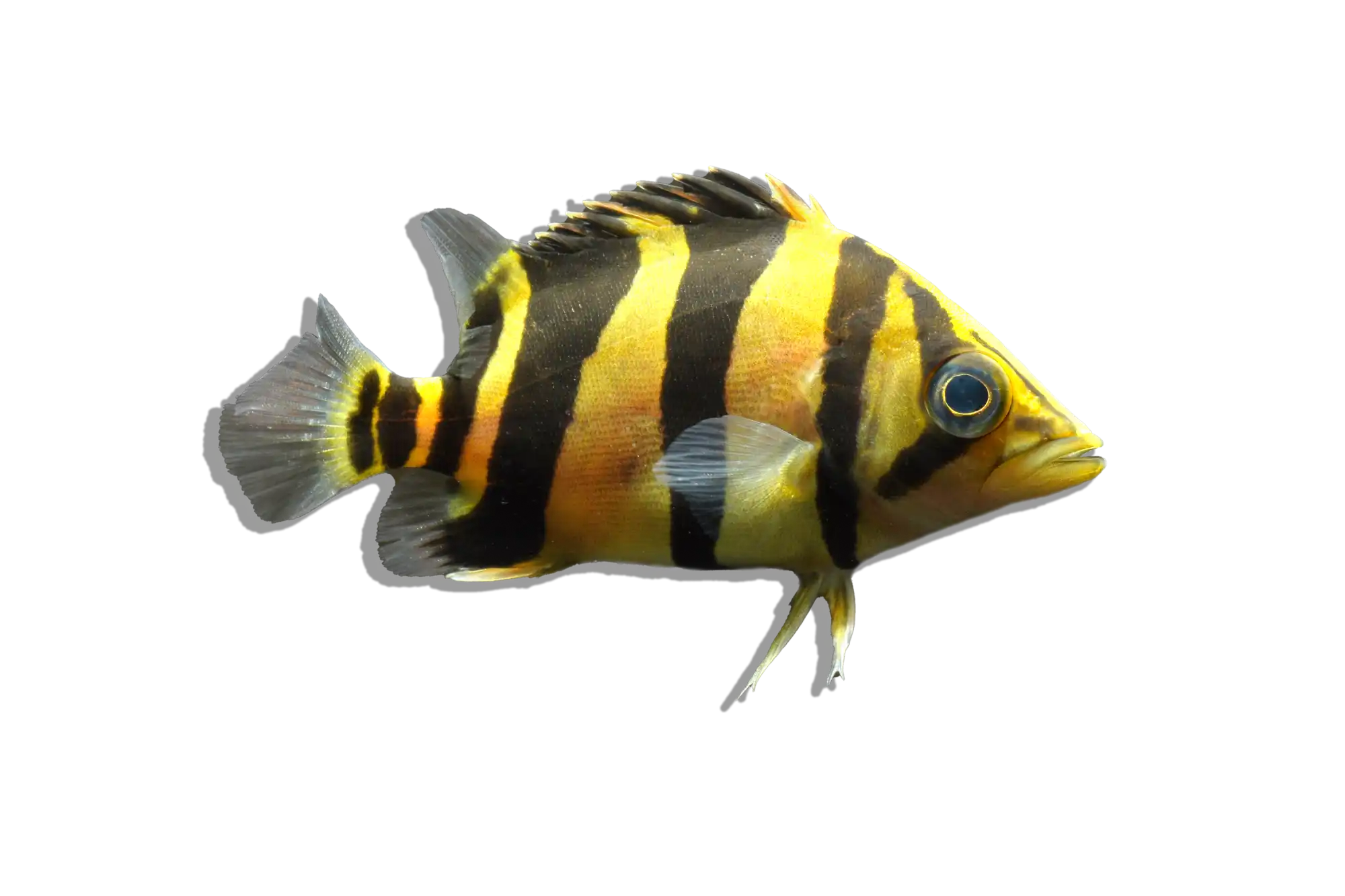
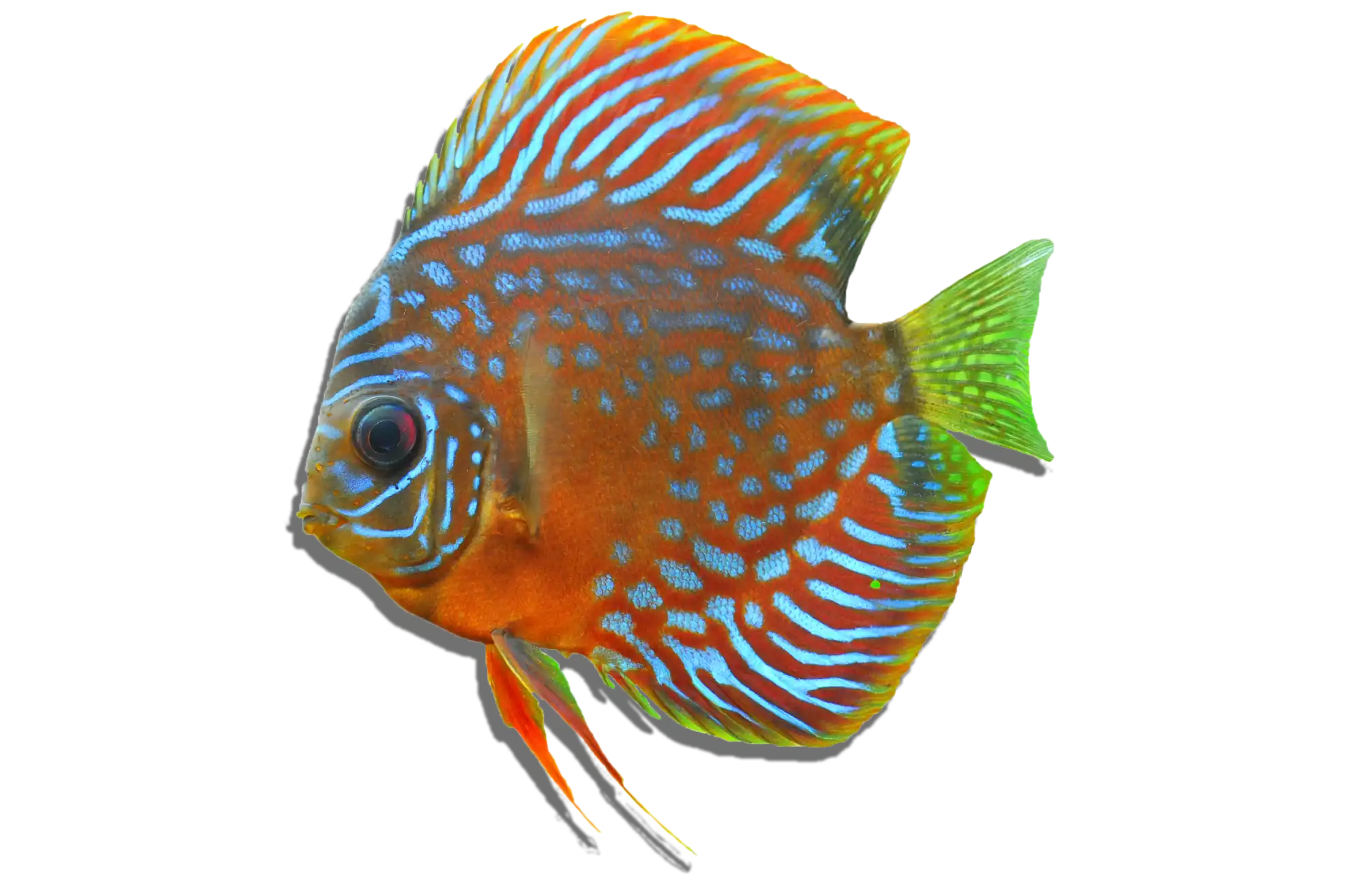
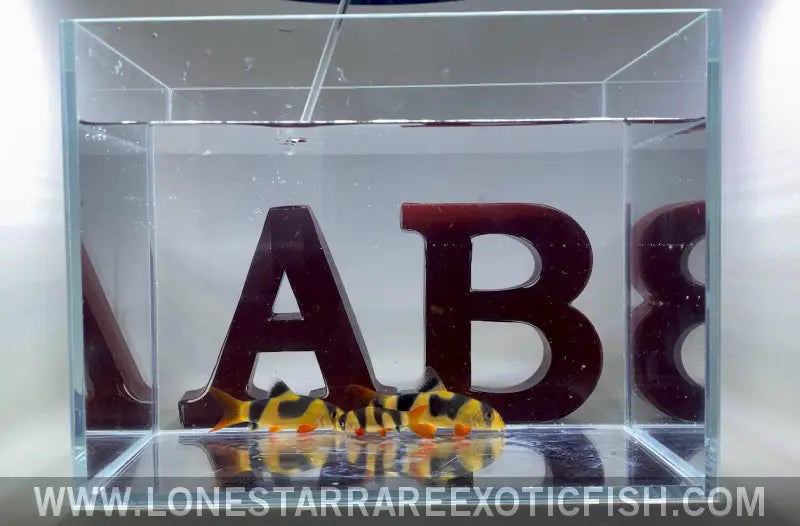
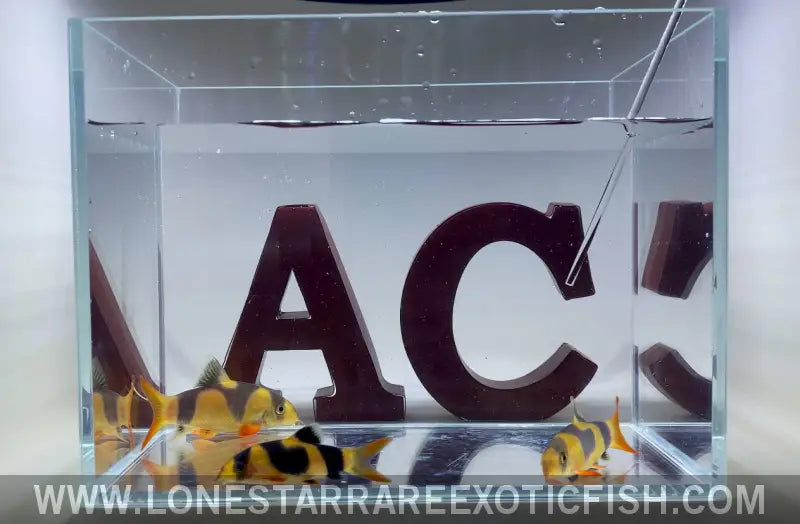
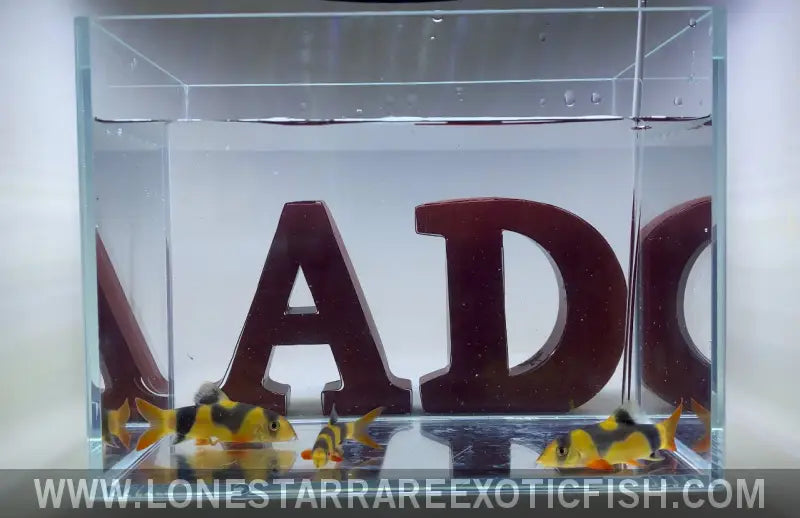
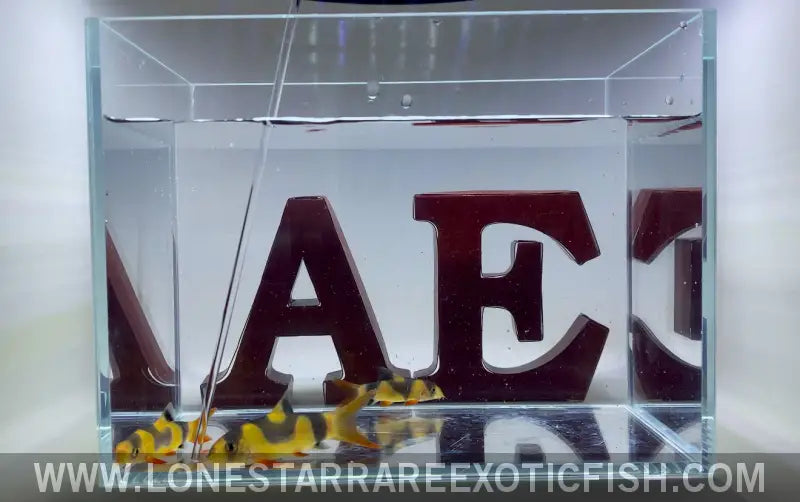
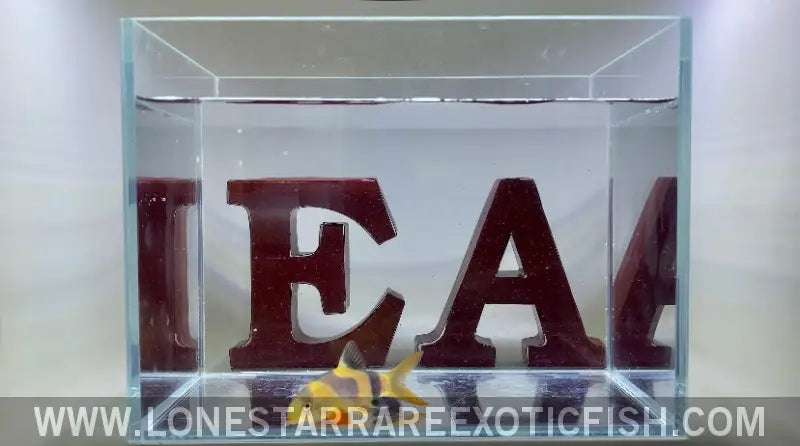
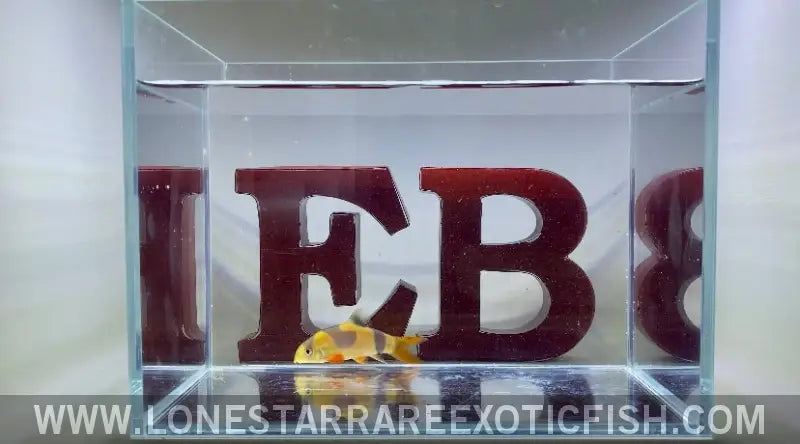
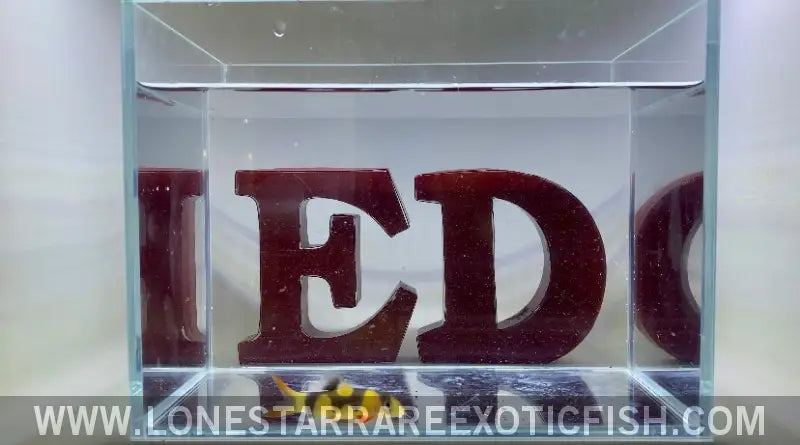
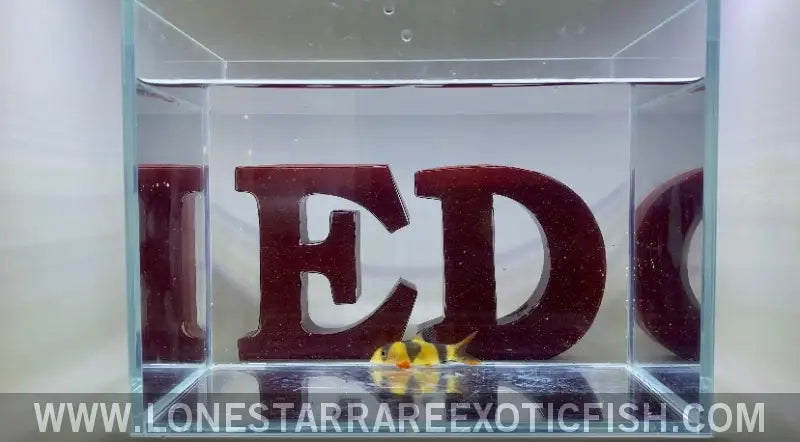
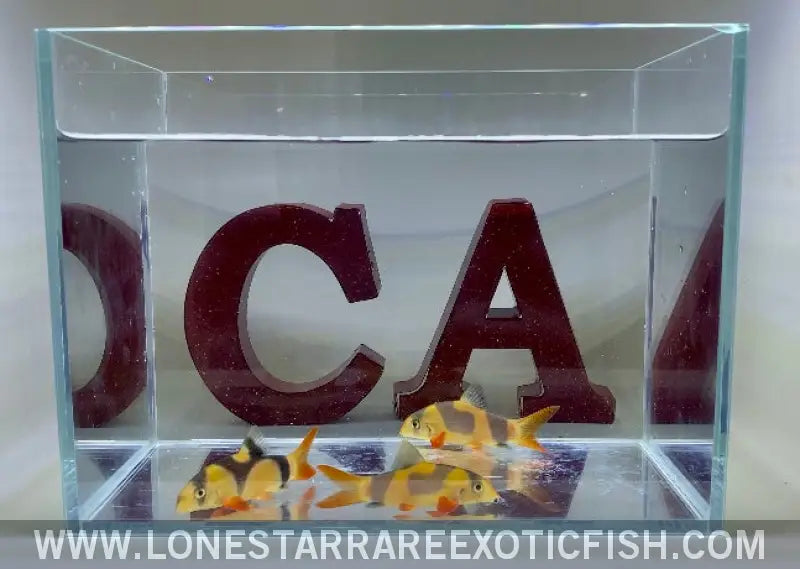
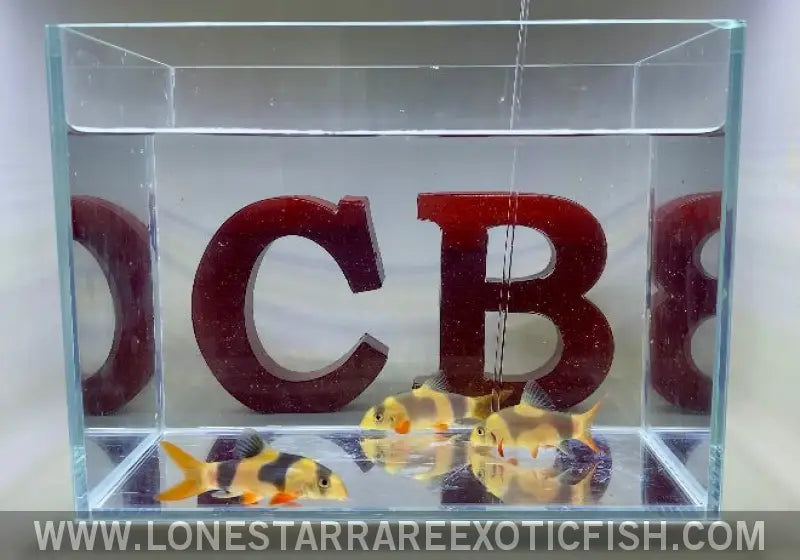
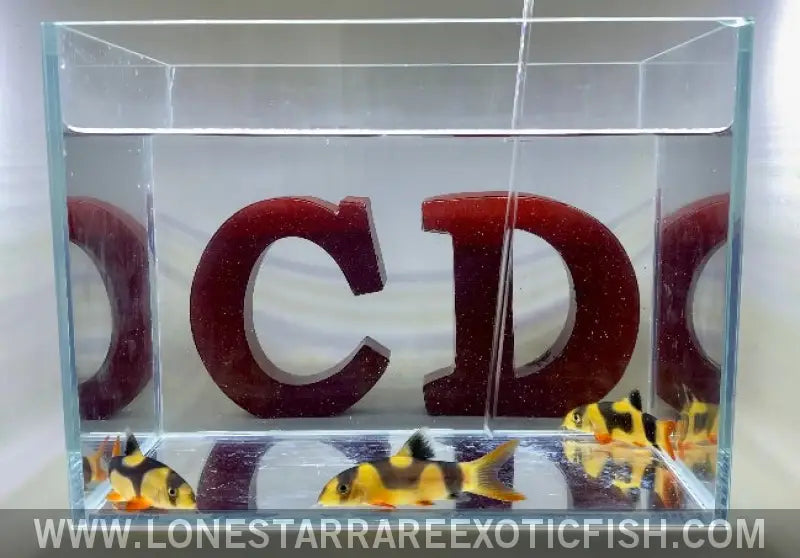
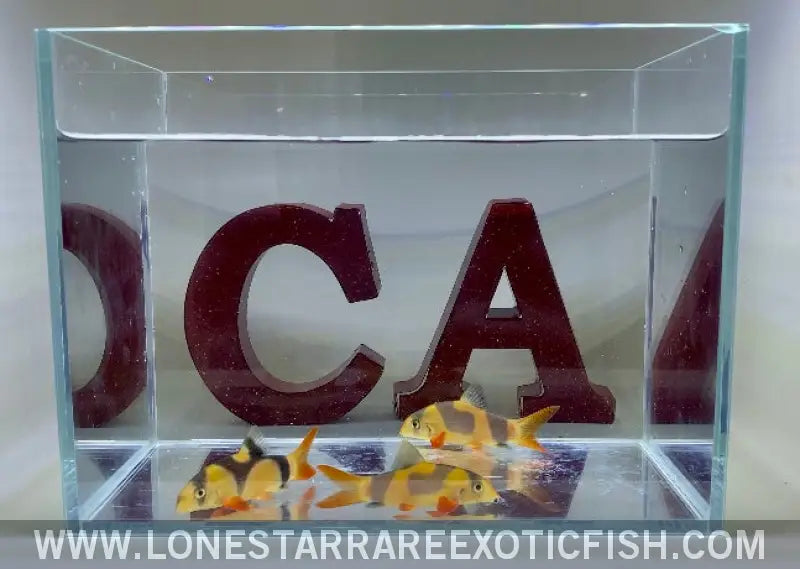
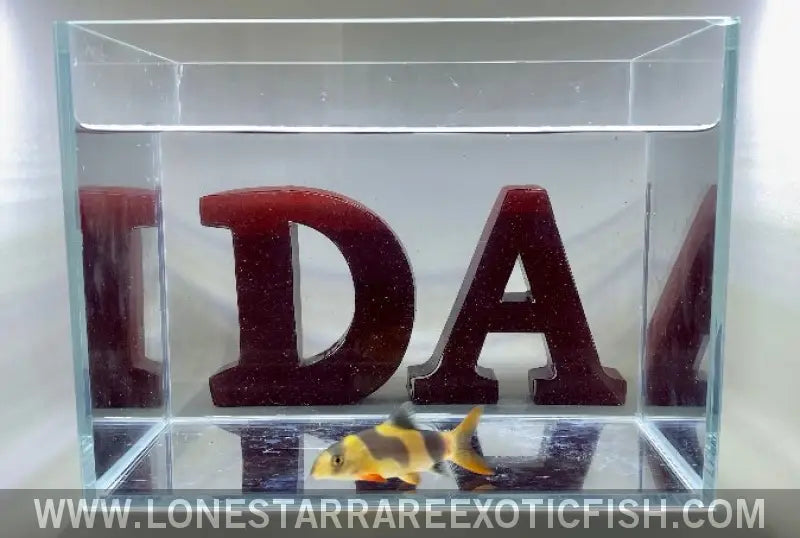
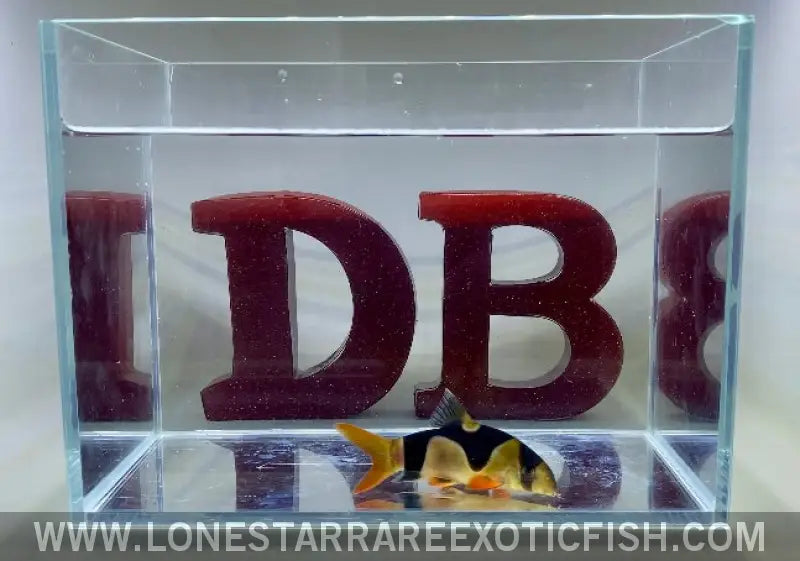
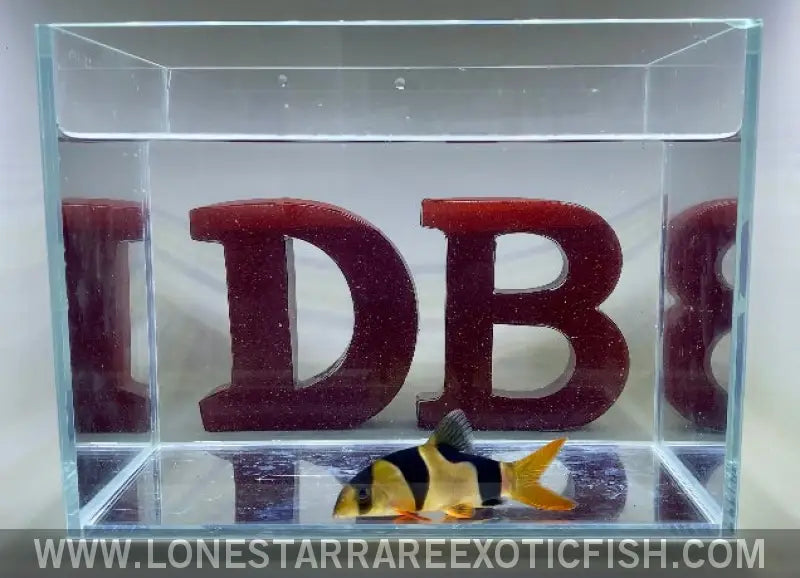
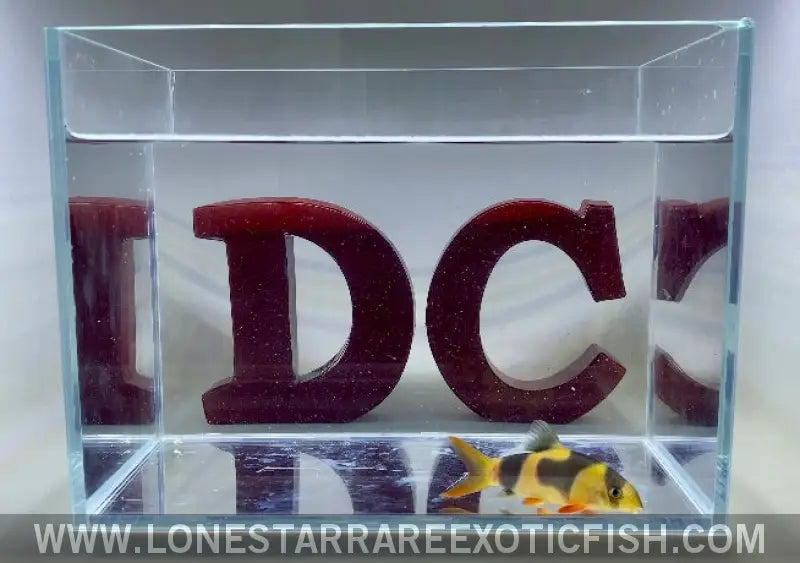
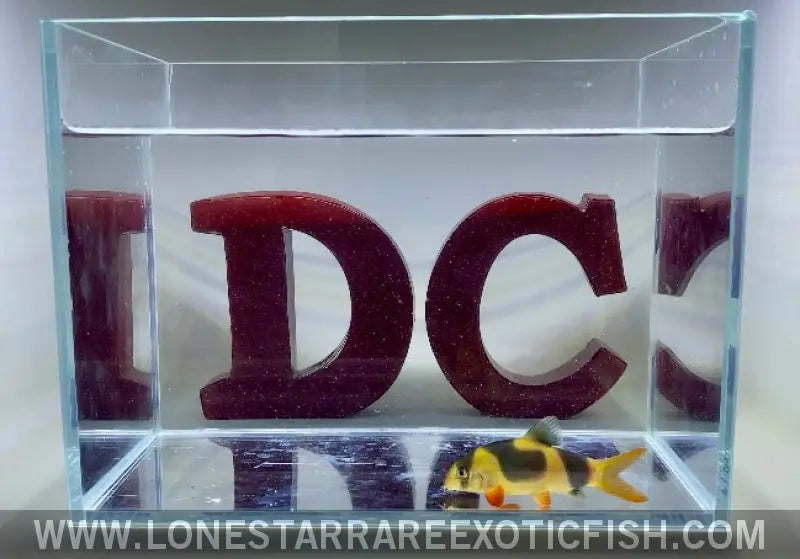
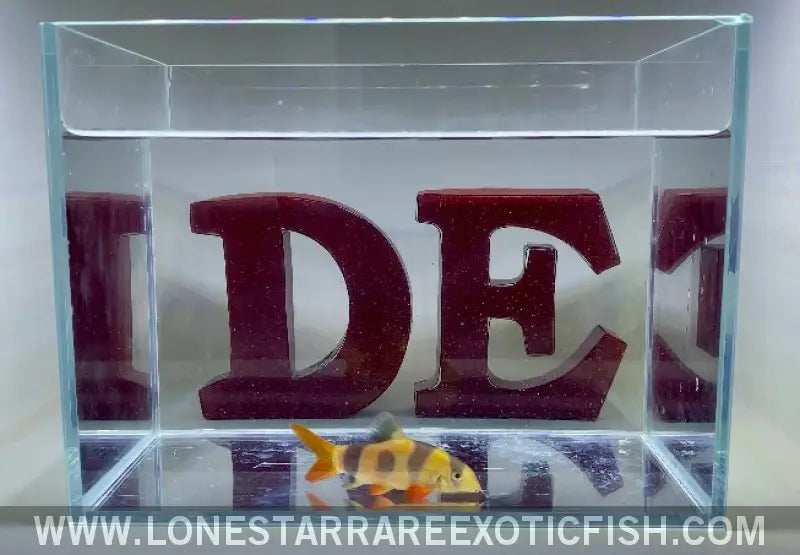
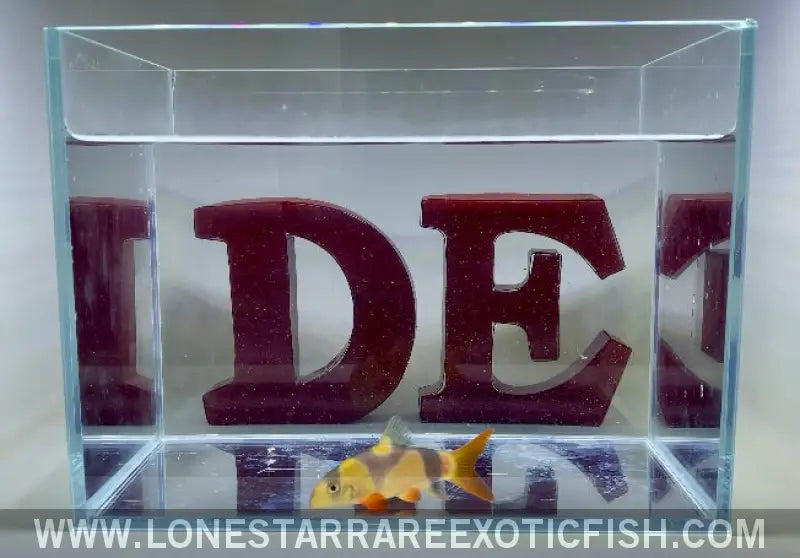
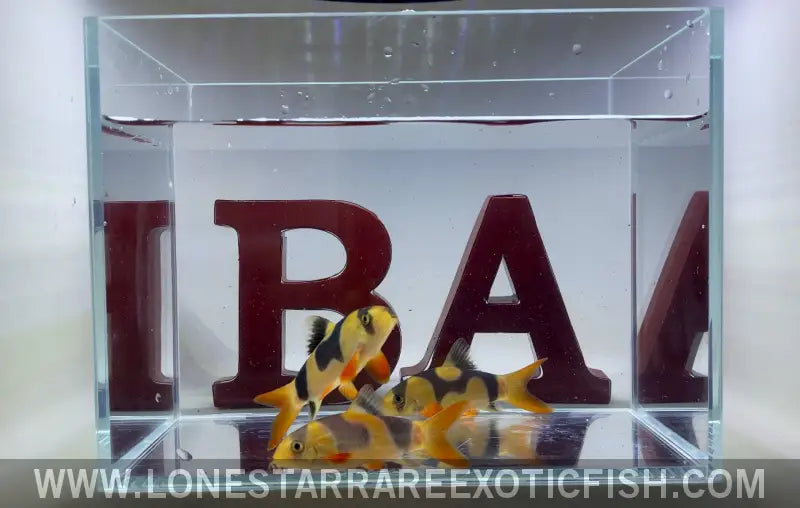
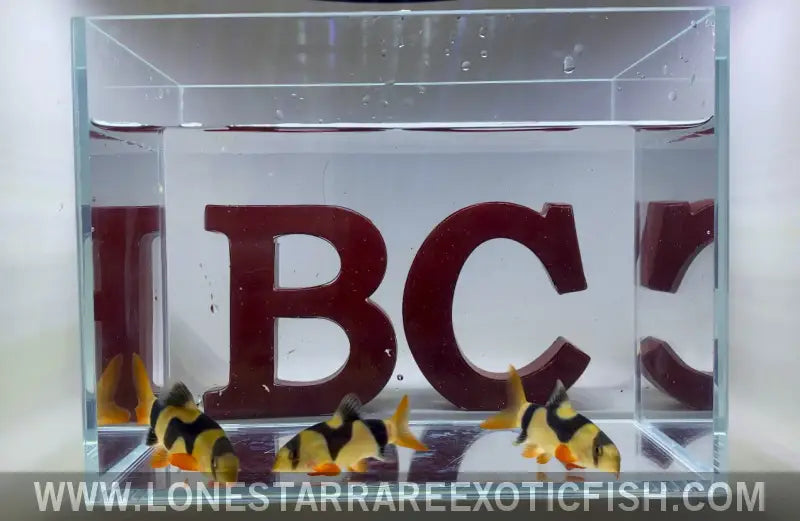
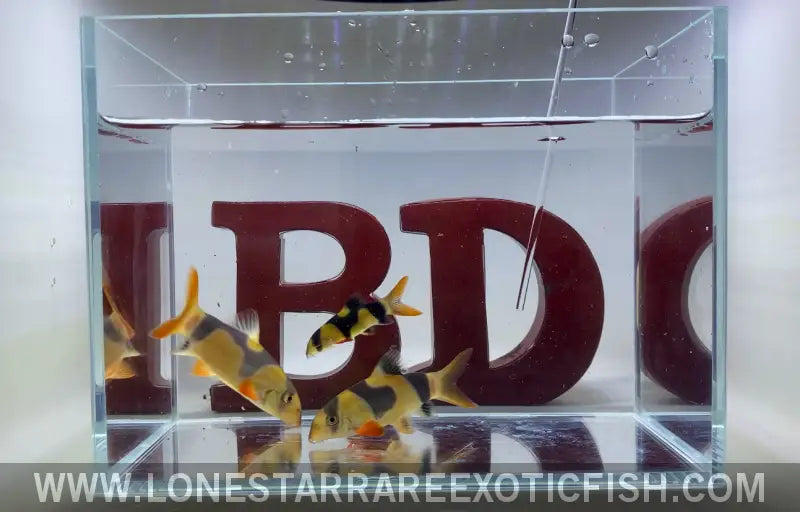
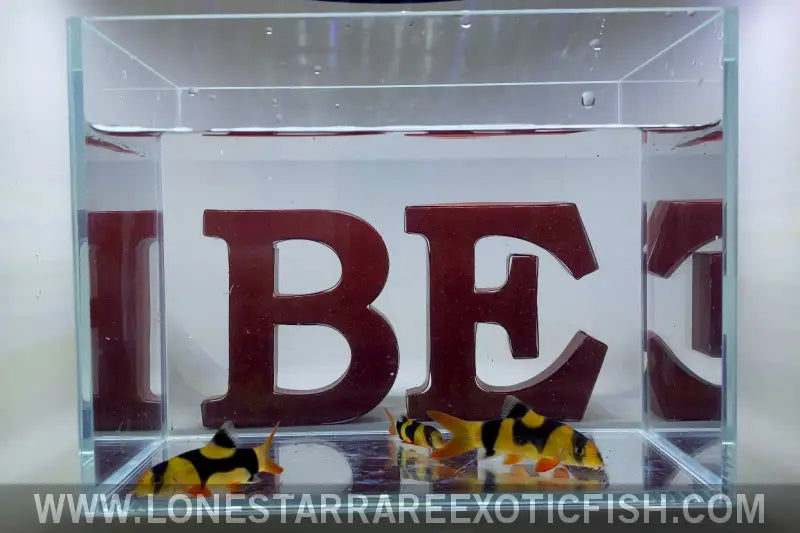
When you purchase a single loach or group of loaches, you will receive the exact fish in the photos/videos. Each listing is priced individually based on quality, rarity, and symmetry.
Common Name: Oddball Clown Loach
Scientific Name: Chromobotia macracanthus
Other Names: Misbar Clown Loach, Unique Pattern Clown Loach
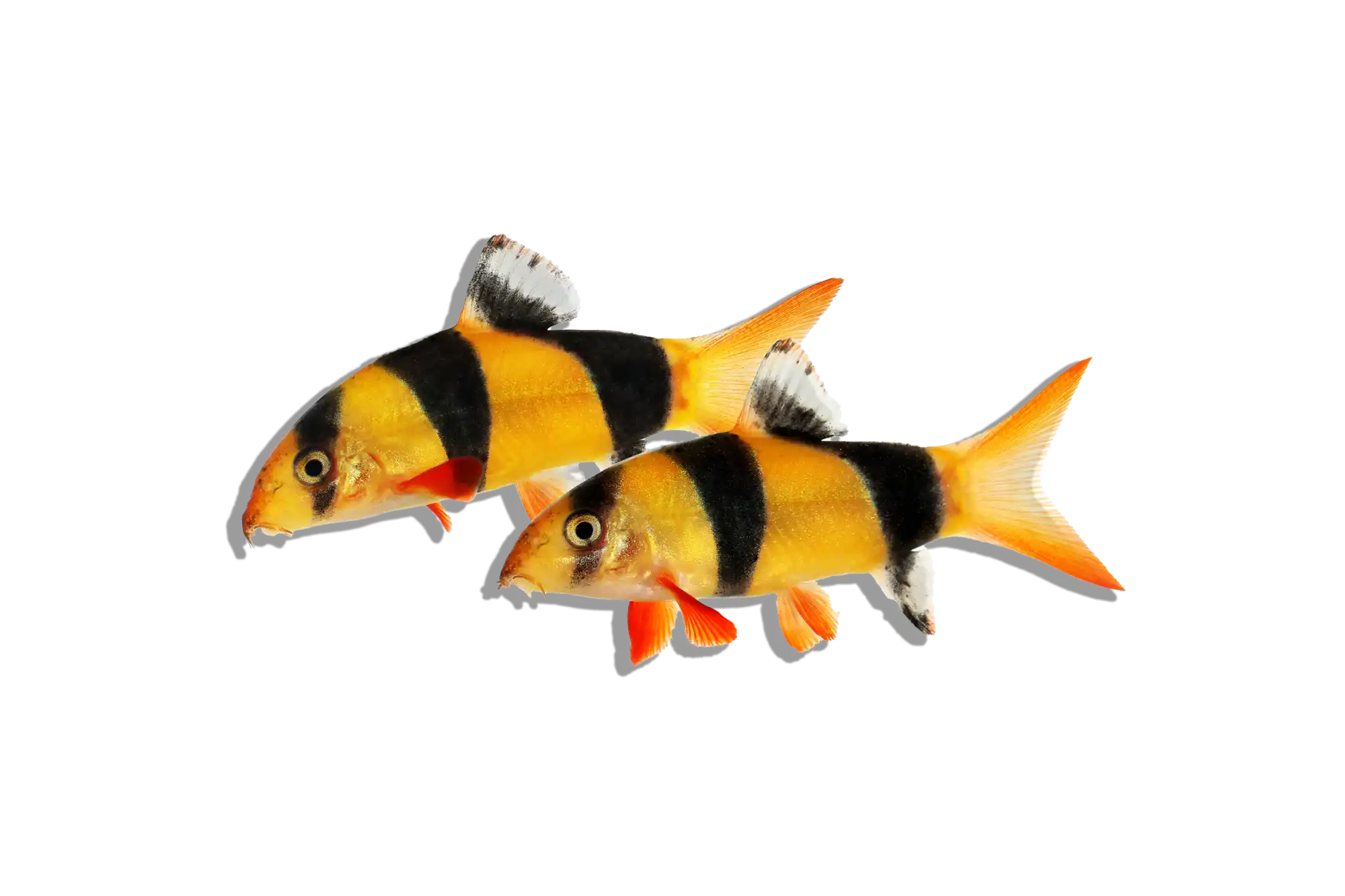
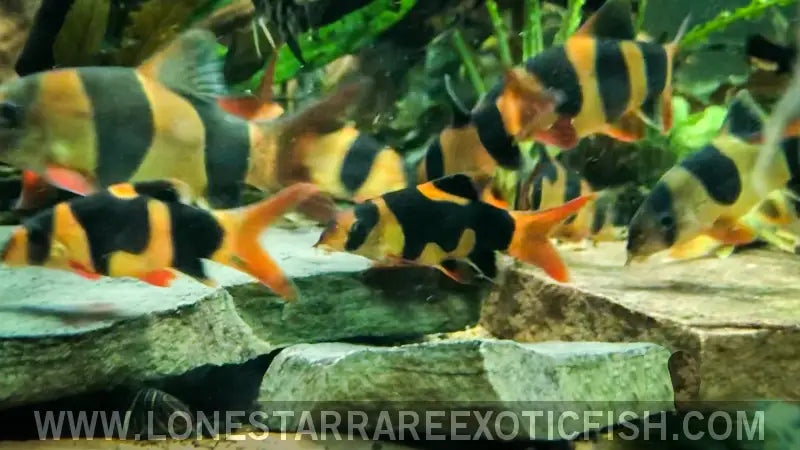
The Clown Loach is a popular and visually striking freshwater fish known for its vibrant colors and lively personality. This species features a bright orange body with prominent black bands and contrasting yellow and red highlights on its fins. Clown Loaches are social and active, making them a favorite among aquarists. Among the thousands of clown loaches shipped around the world, a few stand out with markings that don’t match the norm. These unusual individuals are known as “oddball” clown loaches, and they capture the attention of fishkeepers precisely because of their rarity and uniqueness.
To understand oddballs, it helps to know how clown loach patterns develop. When these fish hatch and grow through their earliest juvenile stages, they display four dark bars across their bodies. As they approach about an inch in length, one of these bars—typically the third—gradually fades or merges until only three stripes remain, creating the familiar adult appearance. In most fish this transition is seamless, but occasionally the process takes an unusual turn. Instead of disappearing cleanly, that extra band may break apart, fuse unevenly with its neighbors, or linger in distorted form. The result can be a wide range of unusual patterns: extra thin bars, jagged or puzzle-like markings, blotches, or even large spots. Each oddball loach carries a one-of-a-kind design that won’t be repeated in another fish, which is part of the reason they are so sought after.
The phenomenon is an example of what biologists call ontogenetic color change, the natural shift in coloration or markings as an animal grows. In clown loaches, this shift usually ends in a uniform three-stripe pattern, but the occasional developmental quirk leads to the oddball forms. The cause is primarily genetic, though conditions during early development may influence whether the extra stripe fades as expected. Importantly, these unusual patterns do not indicate poor health. Oddball clown loaches behave, feed, and grow just like their standard-patterned counterparts, and they live just as long.
As for rarity, oddballs are uncommon but not impossibly scarce. Collectors and importers who handle large shipments may only see a handful of oddly marked individuals among thousands of fish. Rough estimates suggest that perhaps one in several hundred to one in a couple thousand clown loaches develops into a recognizable oddball. This makes them uncommon enough that most aquarists won’t stumble across one every day, but not so rare that they’re limited to just a few examples worldwide. For hobbyists, finding one in a local store often feels like uncovering a hidden gem.
What makes oddball clown loaches so appealing is the way they highlight the unpredictability of nature. A school of standard clown loaches is already beautiful, but an oddball adds a unique twist and often becomes the centerpiece of conversation. Many aquarists who acquire one cherish it as a special find, knowing they may never encounter another quite like it. In a hobby where uniformity and consistency are often prized, oddball clown loaches remind us that even familiar species can surprise us with unexpected individuality.
Habitat and Distribution: The Clown Loach is native to the rivers and floodplains of Southeast Asia, specifically in Indonesia on the islands of Borneo and Sumatra. These fish inhabit slow-moving rivers, streams, and flooded forests with sandy or muddy substrates and plenty of vegetation and submerged roots. The water in their natural habitat is typically warm, soft to moderately hard, and slightly acidic to neutral.
Size and Lifespan: In the wild, Clown Loaches can grow up to 12-16 inches (30-40 cm) in length. In captivity, they typically reach around 8-12 inches (20-30 cm). Their lifespan can range from 10 to 15 years, with some individuals living even longer under optimal conditions. Ensuring a proper diet, clean water, and adequate space are crucial for their longevity and well-being.
Diet and Behavior: Clown Loaches are omnivorous, feeding on a variety of foods in the wild, including insects, crustaceans, plant material, and detritus. In an aquarium, their diet should include high-quality sinking pellets, flakes, live or frozen foods such as bloodworms, brine shrimp, and daphnia, as well as vegetable matter like zucchini, cucumber, and spinach. Clown Loaches are known for their playful and social behavior, often seen swimming together in groups and interacting with each other. They are active during the day and prefer to be kept in schools of five or more to prevent stress and encourage natural behavior.
Breeding and Reproduction: Breeding Clown Loaches in captivity is rare and challenging due to their specific environmental needs and behaviors. Little is documented about their breeding habits in the wild, and successful reproduction typically involves creating conditions that closely mimic their natural habitat. They are egg scatterers, and successful breeding usually requires a large, well-planted tank with optimal water conditions and plenty of hiding spots. Hormonal treatments have been used in commercial breeding to induce spawning.
Aquarium Care and Tank Requirements: To keep Clown Loaches, a tank of at least 75 gallons is recommended for a small group, with larger tanks required for larger groups or when keeping them with other species. The tank should include plenty of hiding spots created with rocks, driftwood, and plants to mimic their natural habitat and reduce stress. A soft, sandy substrate is ideal to protect their delicate barbels. Efficient filtration and regular water changes are essential to maintain water quality. Providing moderate water flow will help replicate their natural riverine environment.
Ideal Tank Mates: Clown Loaches can be kept with other peaceful, similarly sized fish that share similar water parameter requirements. Suitable tank mates include other large tetras, peaceful cichlids, larger rasboras, and non-aggressive catfish. Avoid housing them with overly aggressive or significantly smaller fish that may cause stress or be seen as prey. They are social fish and do best in groups of their own kind.
Difficulty Level: Intermediate. While they are hardy and adaptable, their specific dietary needs, social structure, and requirement for clean, well-oxygenated water require attentive care and a well-maintained aquarium.
Water Parameters:
-
Temperature: 75-86°F (24-30°C)
-
pH: 6.0-7.5
-
General Hardness (GH): 5-12 dGH
-
Carbonate Hardness (KH): 3-10 dKH
-
Ammonia: 0 ppm (ideal), up to 0.25 ppm (max)
-
Nitrite: 0 ppm (ideal), up to 0.25 ppm (max)
-
Nitrate: <20 ppm (ideal), up to 40 ppm (max)
Additional Information:
- The Clown Loach’s vibrant coloration and playful demeanor make it a favorite among aquarists, adding both beauty and activity to community aquariums.
- These fish are known for their ability to produce clicking sounds, which they use during social interactions and feeding.
- In their natural habitats, Clown Loaches play a role in controlling populations of small invertebrates and contributing to the overall health of the aquatic ecosystem.
- Fun fact: Clown Loaches can be observed resting on their sides or in unusual positions, which is normal behavior and should not be mistaken for illness. This unique resting habit adds to their charm and appeal.