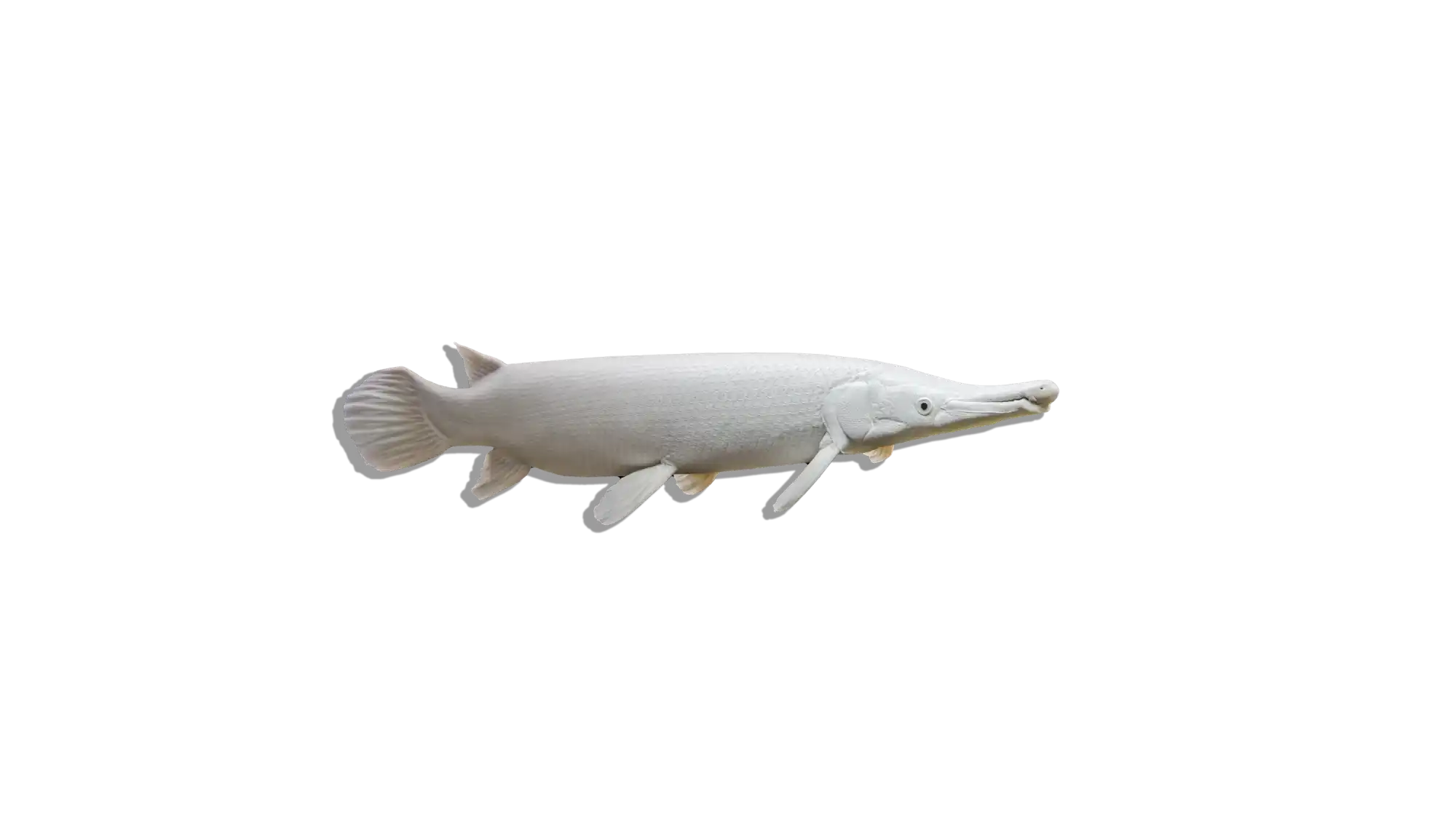
Common Name: Granulated Catfish
Scientific Name: Pterodoras granulosus
Other Names: Armado, Bacu, Common Bacu, Abotoado
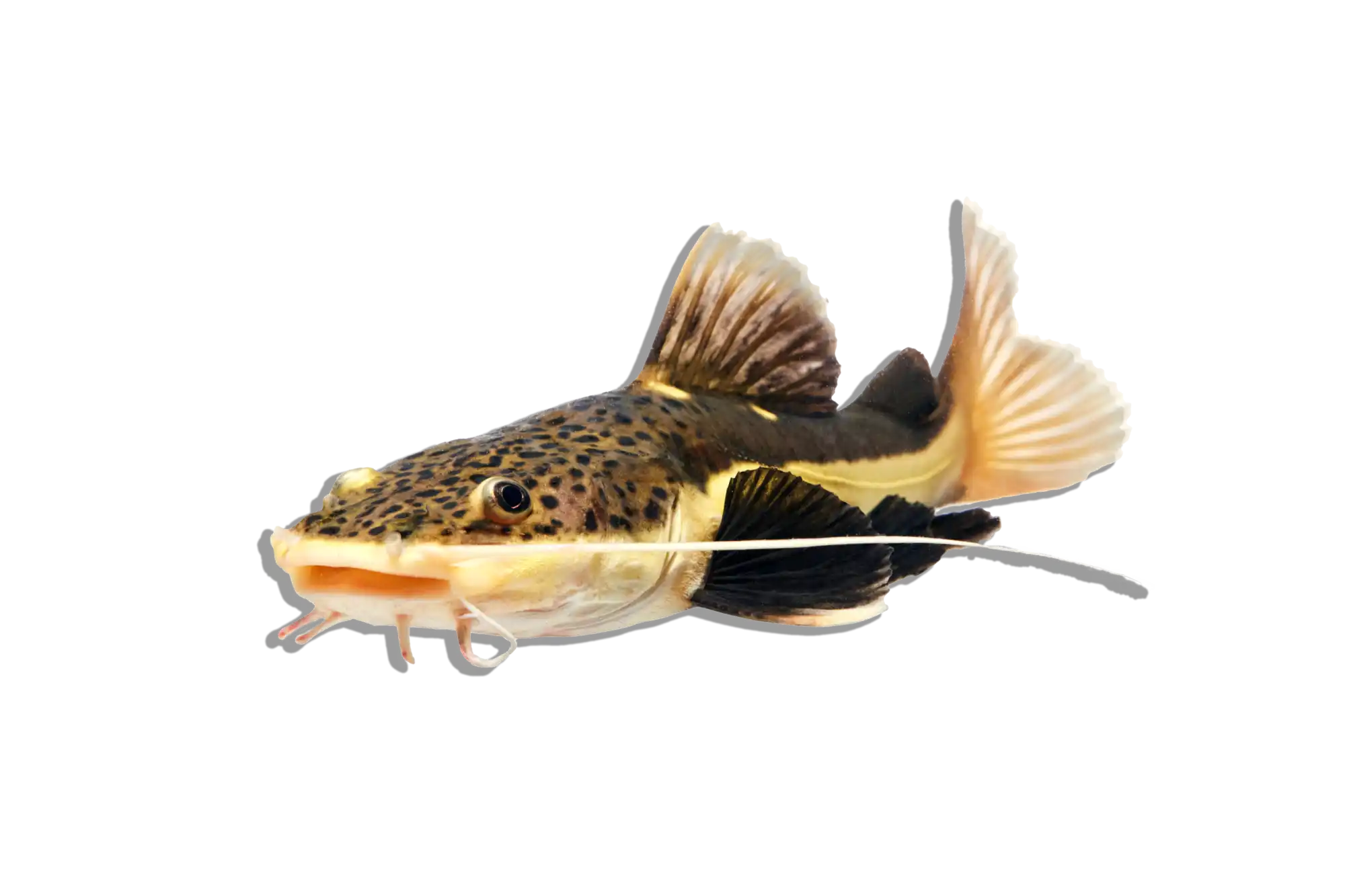
The Granulated Catfish is a large thorny catfish (family Doradidae). It has no scales; instead it has thick, tough skin and a single row of bony plates (scutes) along each side, which give it the "granulated" look its name refers to. Its body is broad and elongated. Juveniles are lighter brown with scattered dark spots; the spots fade with age, and adults are a more uniform muddy brown to olive, often with a lighter underside. Like other doradid catfish, it possesses strong pectoral spines that serve as a defense mechanism. This species is peaceful but grows to an impressive size, making it suitable only for large aquariums or indoor ponds.
Habitat and Distribution:
Native to South America, Pterodoras granulosus is found in the Amazon basin (including the Tocantins-Araguaia), the Paraná, Paraguay and Uruguay rivers down to the Río de la Plata, and coastal rivers of Guyana and Suriname (those coastal fish are only tentatively assigned to this species). It inhabits slow-moving rivers, floodplains, and deep channels with soft, muddy or sandy substrates. These environments provide shelter among submerged logs and rocks, where the species rests during the day.
Size and Lifespan:
This species has been recorded at more than 30 inches (76 cm) in the wild. In aquariums, adults usually reach 2-3 feet (60-90 cm), and documented aquarium fish have passed 30 inches. With good care they're long-lived. One well-documented aquarium fish was still alive and growing after more than 15 years with its keeper, and no maximum lifespan has been established.
Diet and Behavior:
The Granulated Catfish is an omnivore that leans toward plant foods. Wild fish eat fruits and seeds, land and water plants, algae, snails and clams, insect larvae and detritus, and larger fish eat more plants and fruit. In captivity, feed high-quality sinking pellets (including a plant-based or spirulina pellet), earthworms, shrimp, mussels or clams, and regular plant foods such as zucchini, peas or fruit. Bloodworms are fine for juveniles, and fish flesh such as chopped tilapia can be an occasional extra. They are nocturnal but will become more active during feeding times. Despite their size, they are generally peaceful and can coexist with similarly sized fish.
Breeding and Reproduction:
There are no known spawnings in home aquariums or ponds. In the wild it's a migratory fish: in the Paraná basin it moves upstream in the rainy season (roughly December to March) and spawns in tributaries and shallow flooded areas, which also serve as nurseries for the young.
Aquarium Care and Tank Requirements:
A minimum of 300 gallons is required for an adult, with larger tanks (500+ gallons) or indoor ponds preferred for long-term care. Footprint matters more than gallons: a 2-3 ft fish needs room to turn, so aim for a tank or heated pond at least 7 ft long and 4 ft front to back. Their ideal tank setup includes a soft sand or fine gravel substrate, large driftwood and caves for shelter, powerful filtration to manage their bioload, moderate to strong water flow, and dim to moderate lighting to mimic their natural environment.
Ideal Tank Mates:
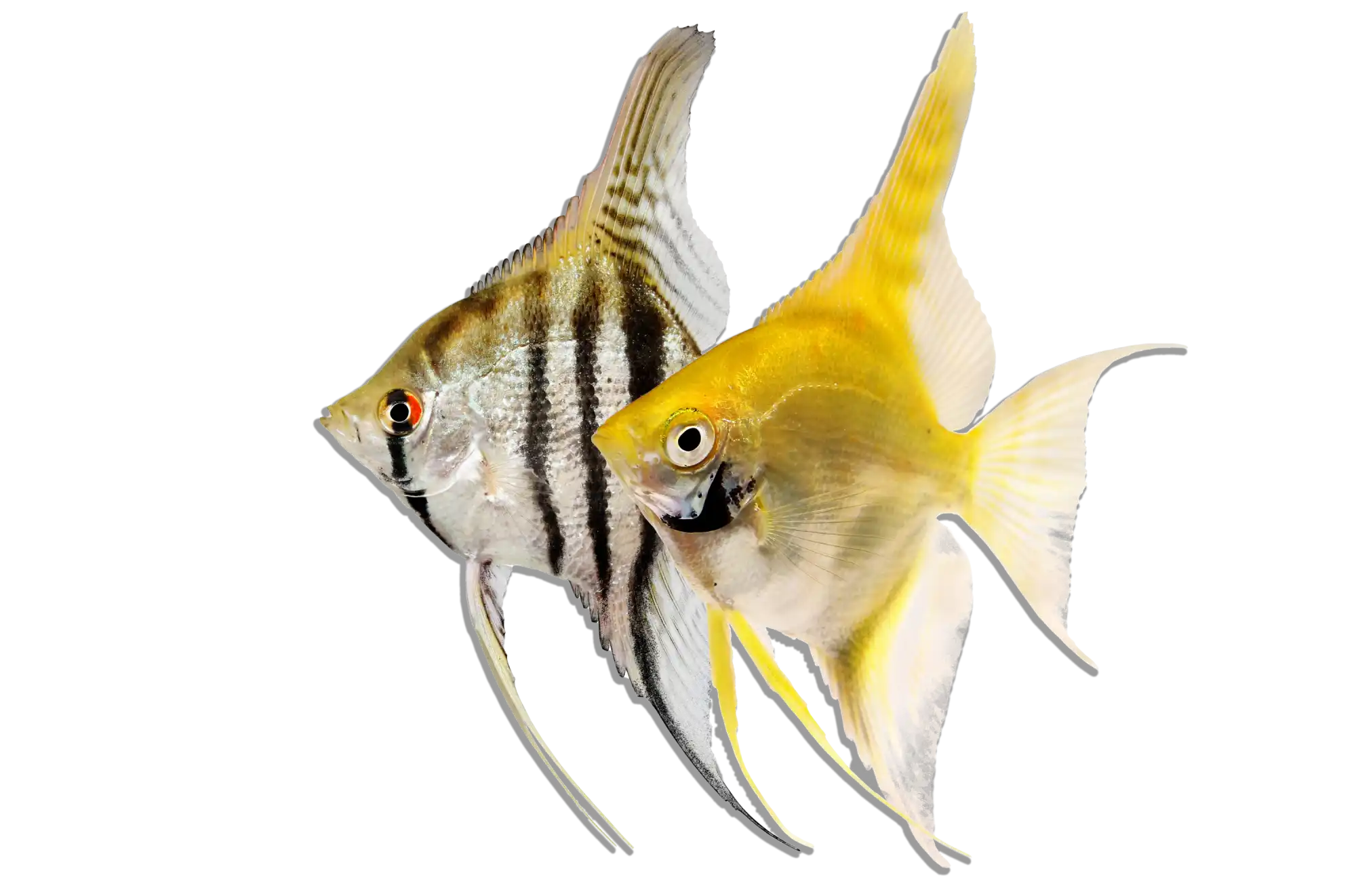
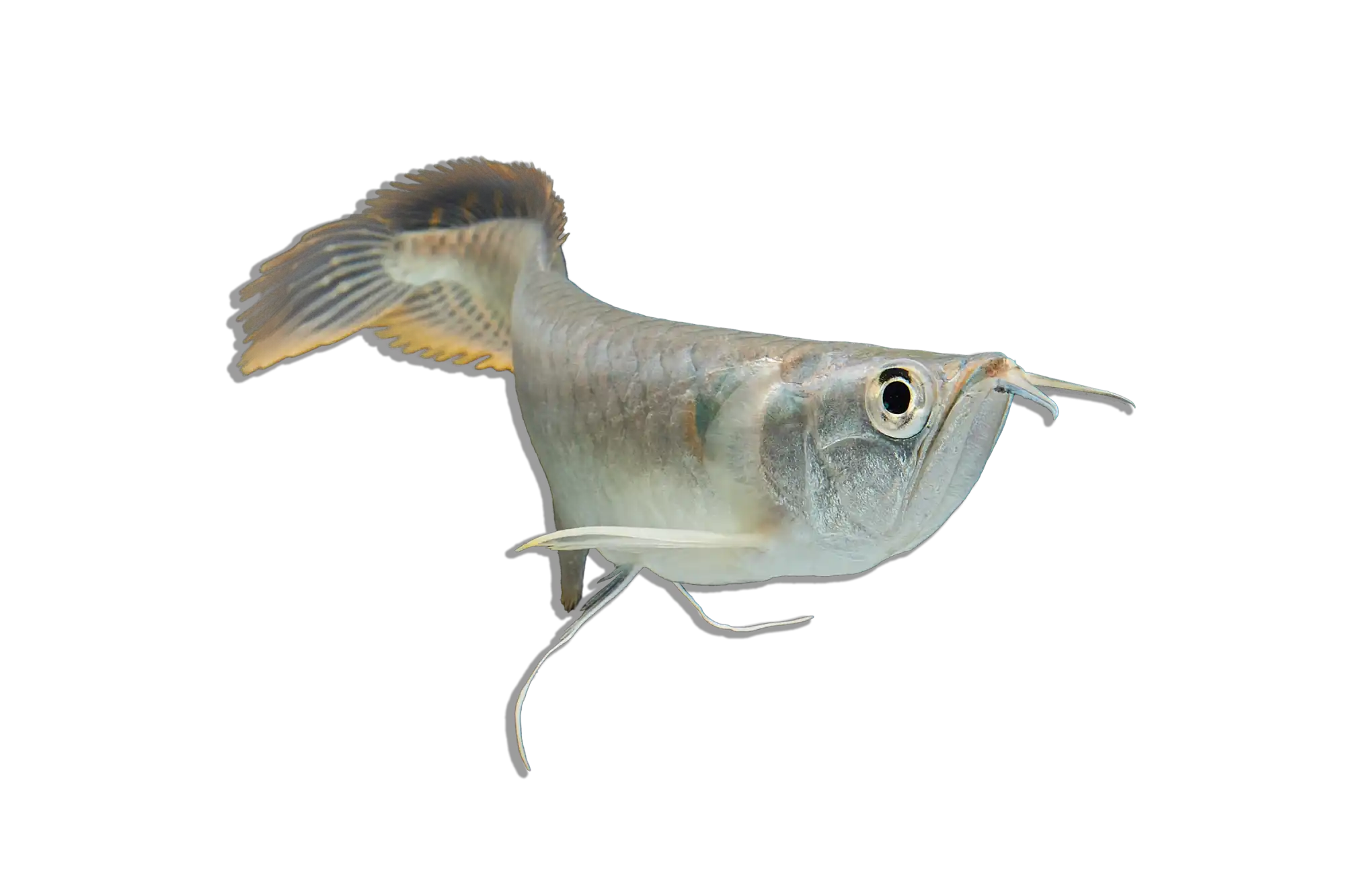
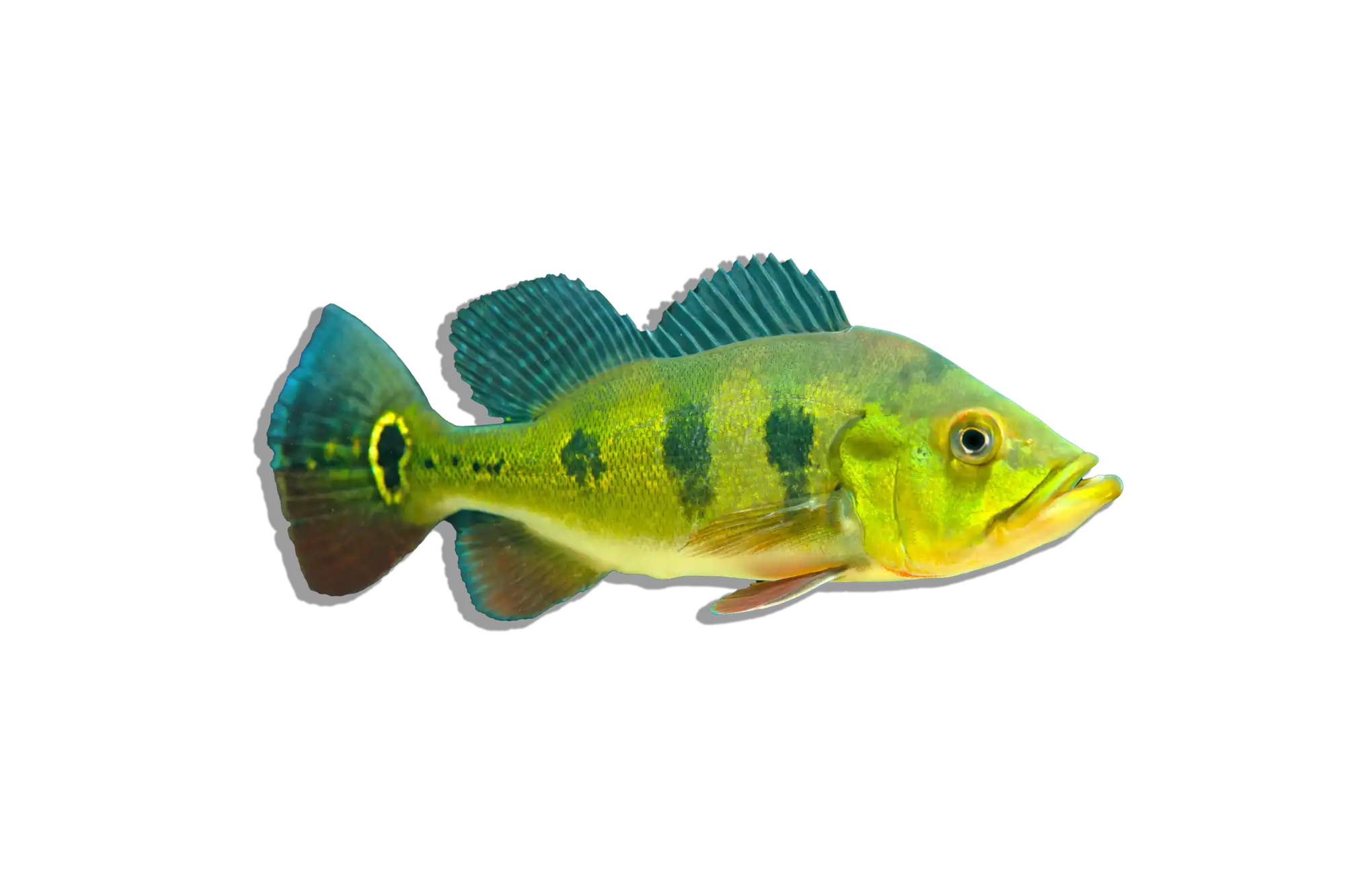
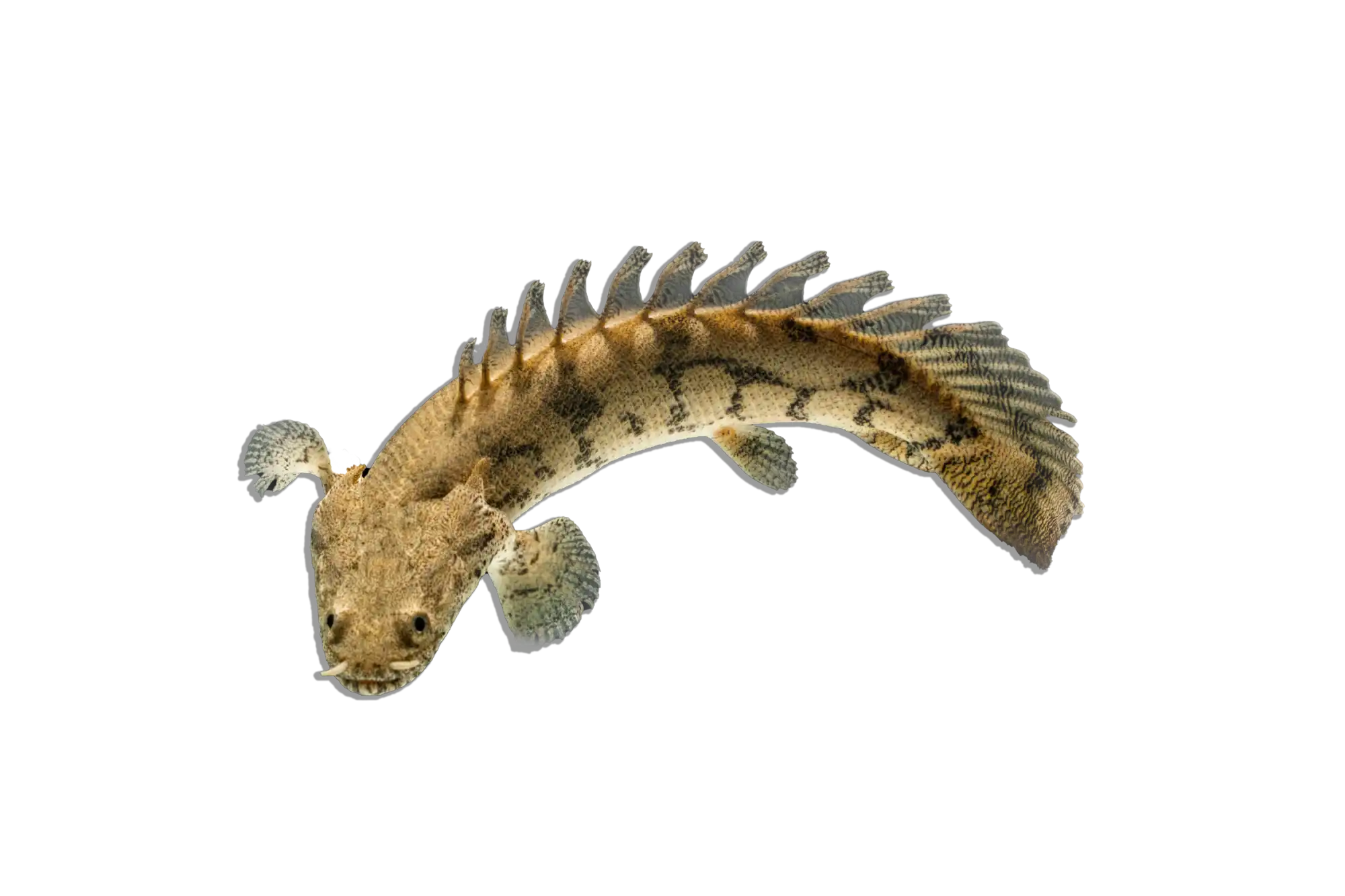
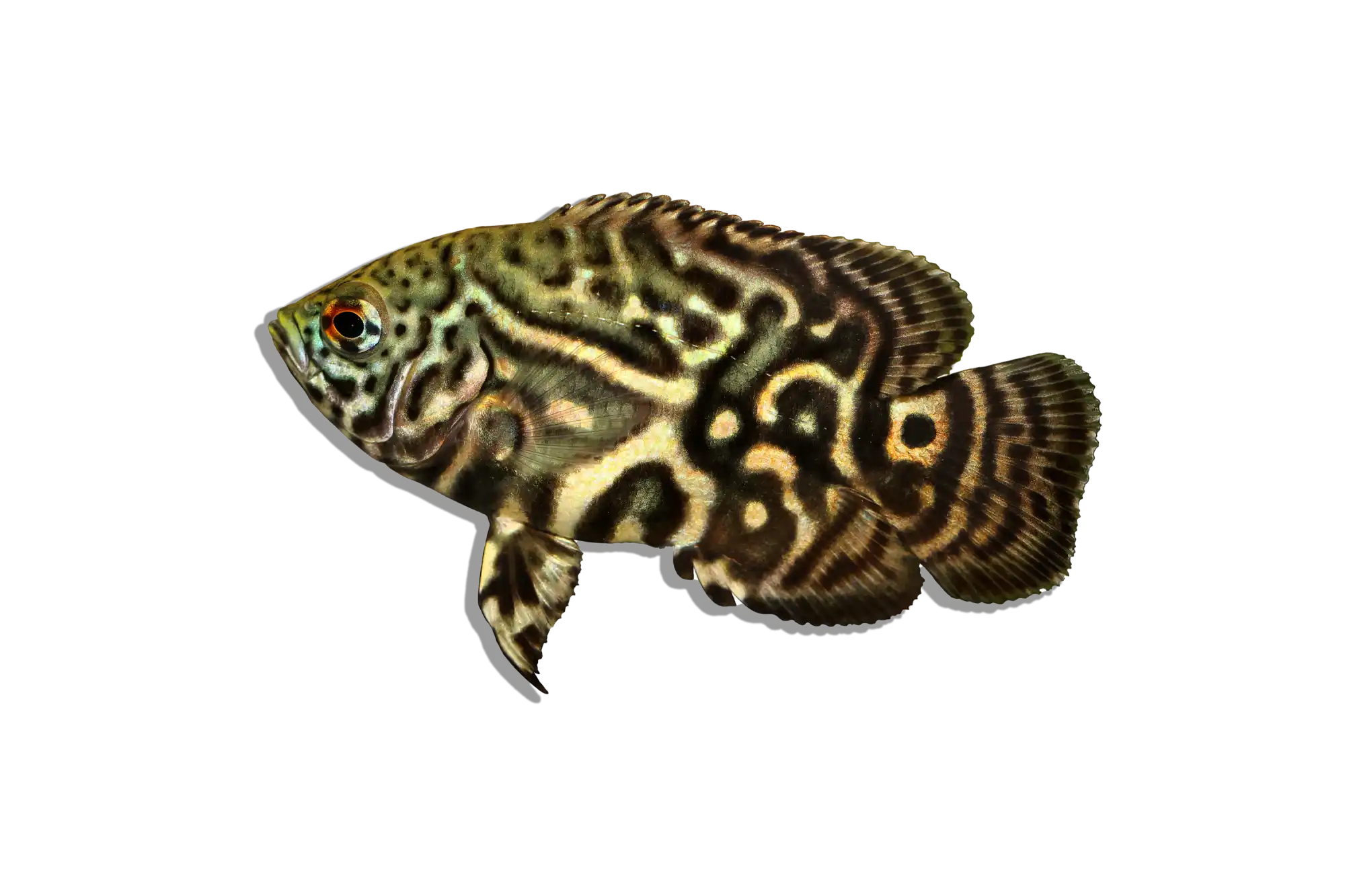
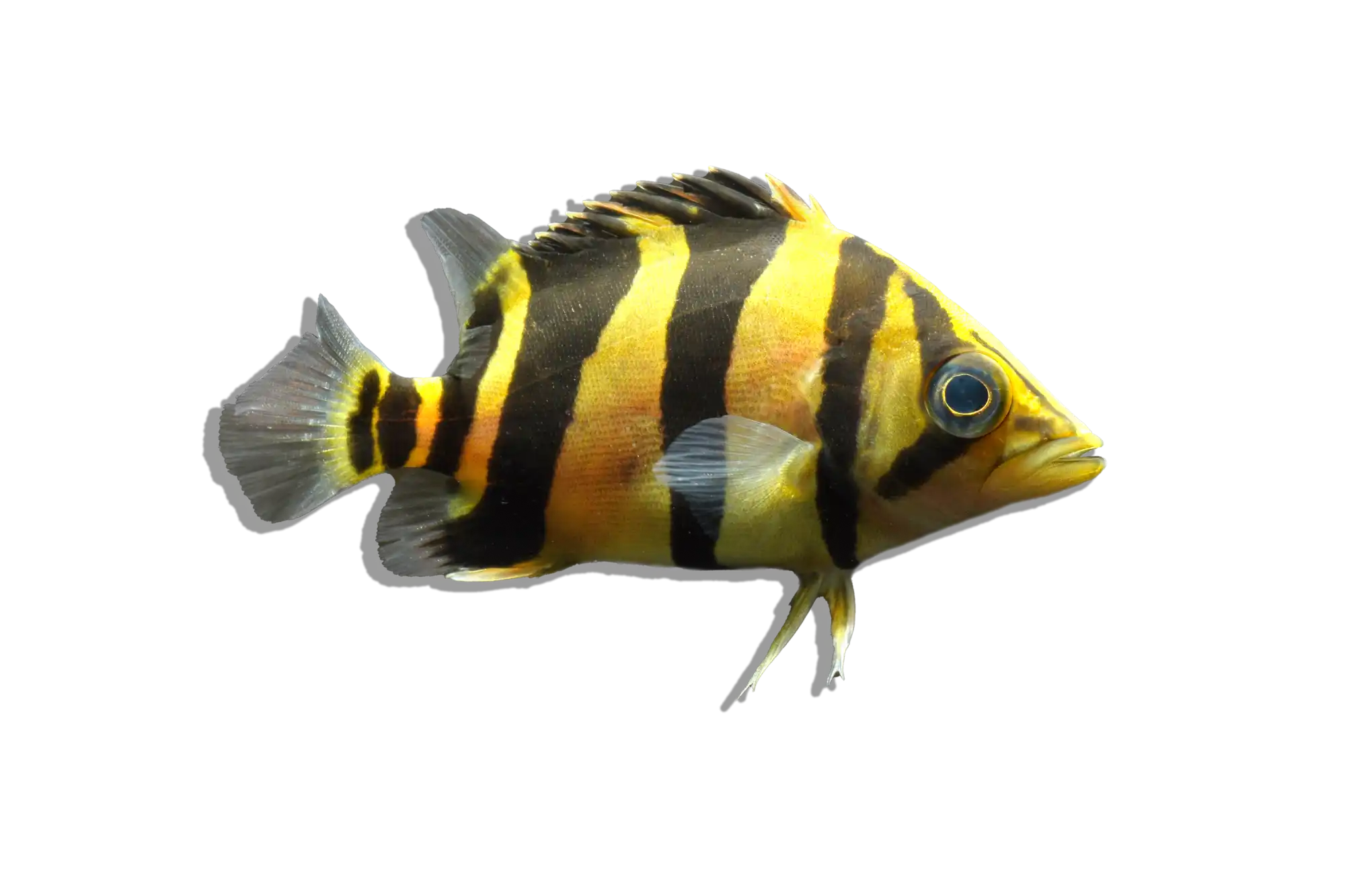
The Granulated Catfish is peaceful but should be housed with large, non-aggressive or semi-aggressive species. Suitable tank mates include Arowanas, Datnoids, Peacock Bass, Large Cichlids (such as Oscars and Severums), large Bichirs, and other large Doradidae catfish. Two cautions. First, a juvenile can be swallowed by an adult arowana or peacock bass, and a predator that tries can choke on its locked pectoral spines, so add it to a predator tank only once it's too big to swallow. Second, despite its peaceful nature it has a big mouth, and any fish small enough to fit in it may disappear, especially at night. Also avoid overly aggressive species that may harass it.
Difficulty Level:
Advanced. They require a massive tank and powerful filtration; feeding them is easy.
Water Parameters:
-
Temperature: 72-82°F (22-28°C)
-
pH: 6.5-7.5
-
General Hardness (GH): 5-15 dGH
-
Carbonate Hardness (KH): 4-12 dKH
-
Ammonia: 0 ppm
-
Nitrite: 0 ppm
-
Nitrate: <20 ppm (regular water changes required)
Additional Information:
- Many references list a cooler 68-75°F (20-24°C), a figure that traces back to a 1985 German aquarium atlas. Wild Amazon fish live in water of about 79-88°F (26-31°C), and keepers report them doing well from the high 60s to the mid 80s Fahrenheit. Avoid sudden swings, and give extra aeration at the warm end.
- Older references warn that pH above 7.5 can cause cloudy skin and eyes; keepers' experience is mixed, so aim for 7.5 or below and avoid sudden pH changes.
- Their strong pectoral fin spines can become entangled in nets, so handling should be done with care. If you can, move them in a container instead of a net; the spines can also jab hands.
- They have very small eyes and rely heavily on their three pairs of barbels to find food, especially at night.
- Due to their nocturnal nature, they appreciate dim lighting and shaded areas created by driftwood or rock formations.
The Granulated Catfish is an impressive and peaceful species suited for dedicated aquarists with the space to house a large, long-lived bottom-dweller. With proper care, they make a unique and fascinating addition to large predator community tanks.