Common Name: L330 Watermelon Royal Pleco
Scientific Name: Panaque nigrolineatus laurafabianae
Other Names: Watermelon Pleco, Spotted Royal Pleco, L330 Pleco, formerly traded as Panaque cf. nigrolineatus "L330"
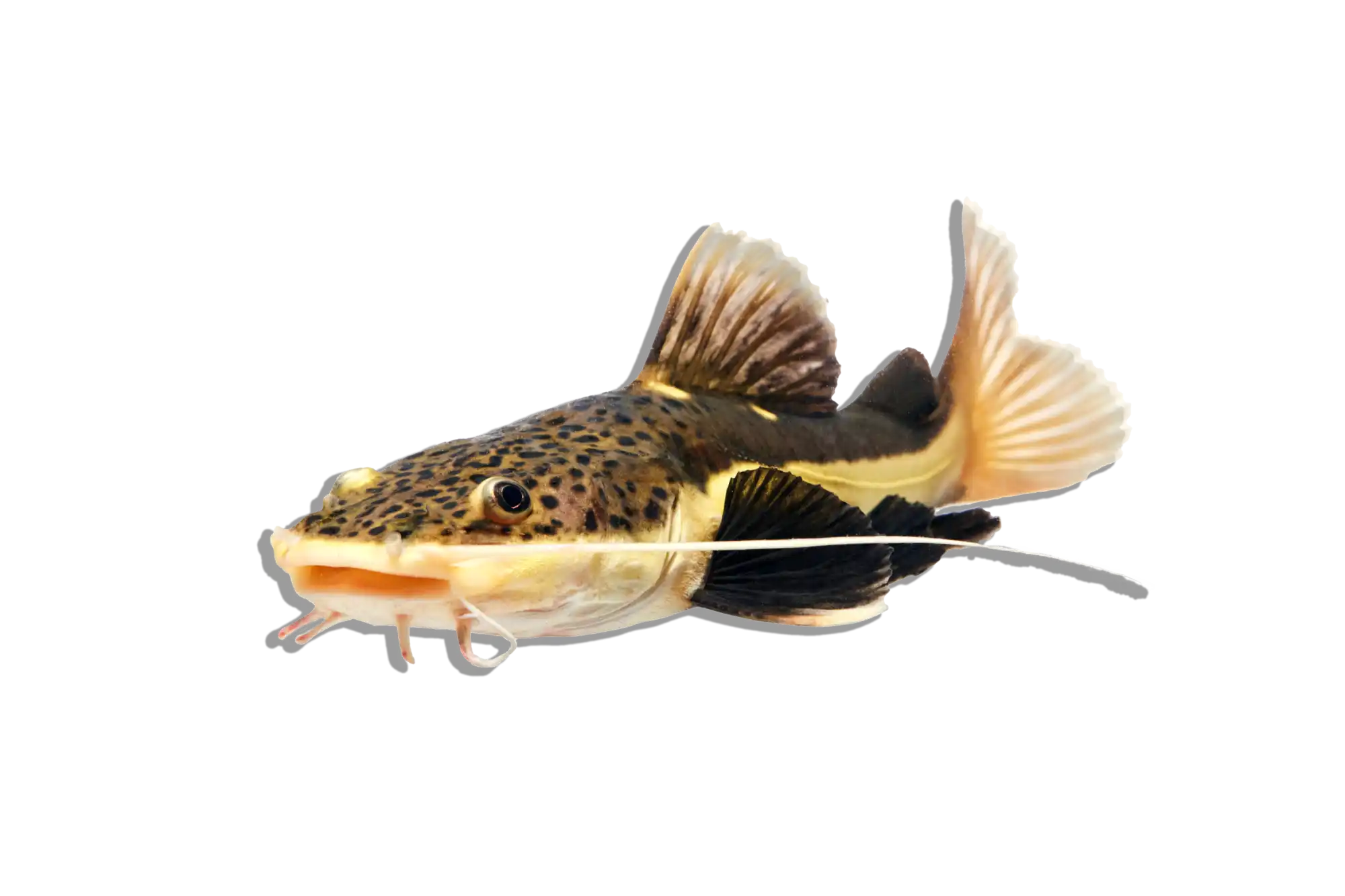
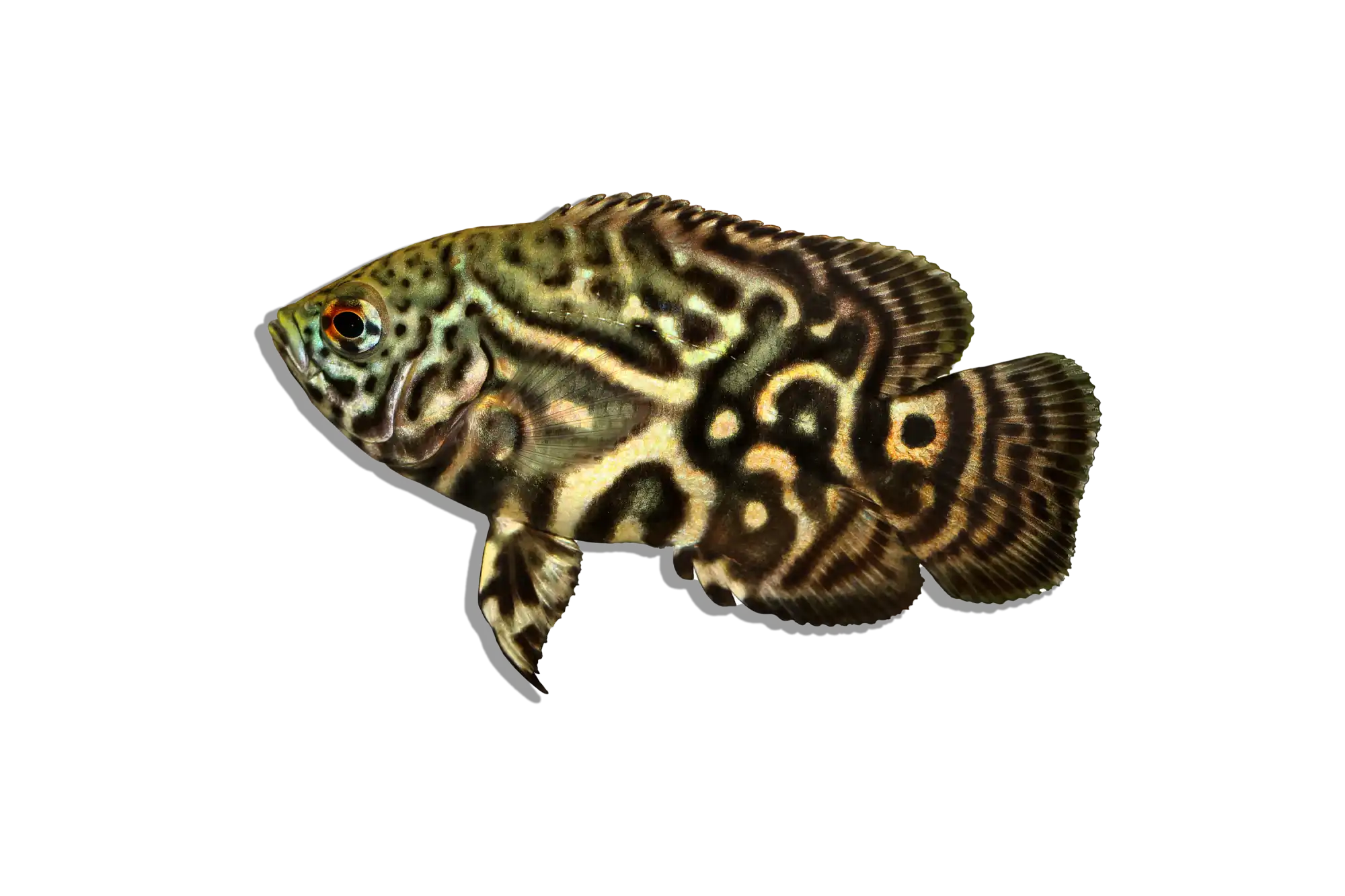
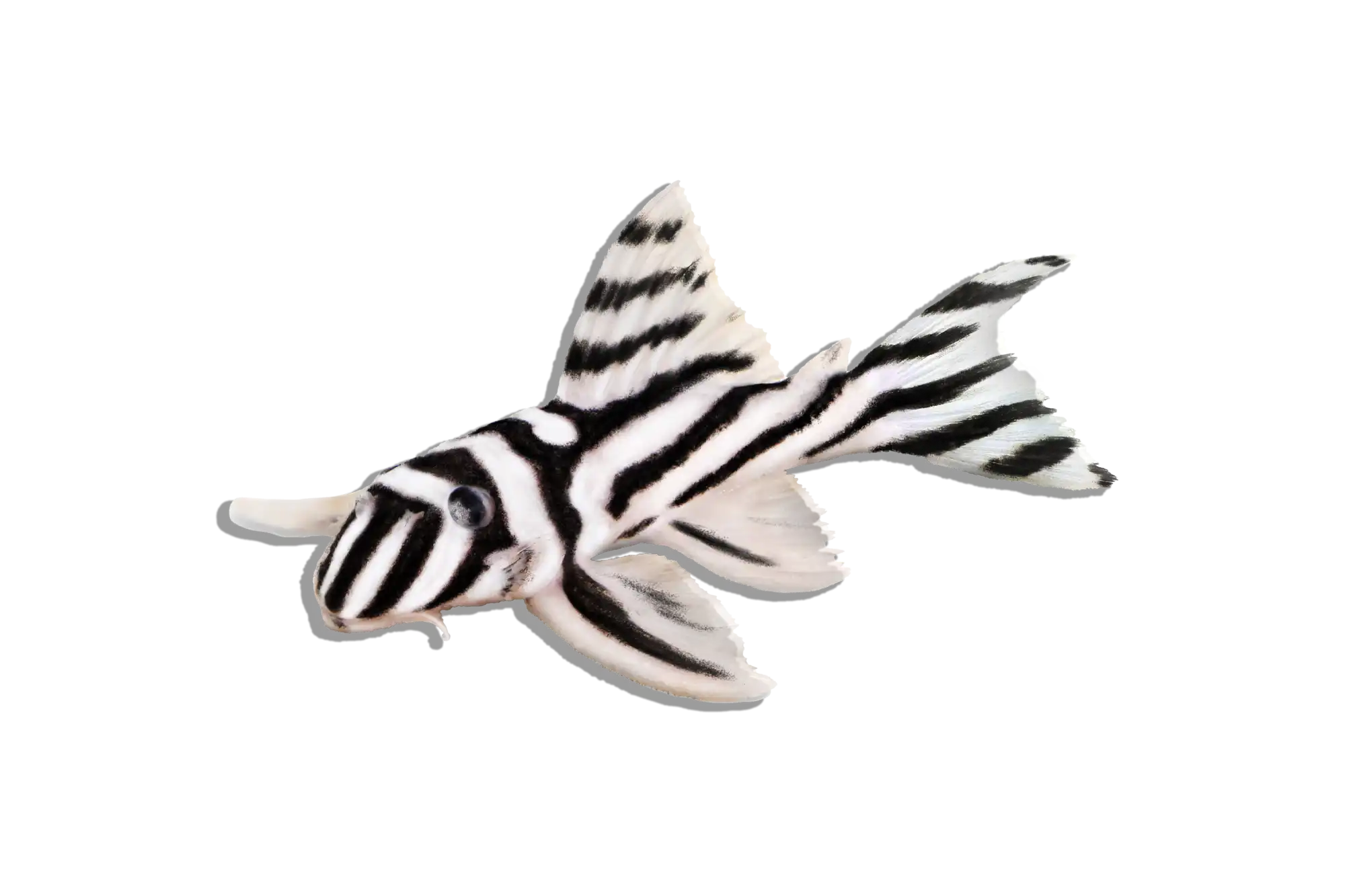
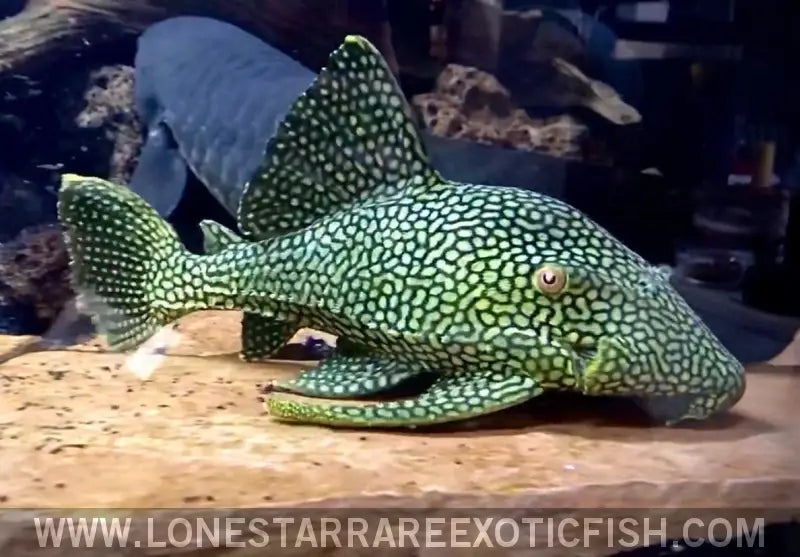
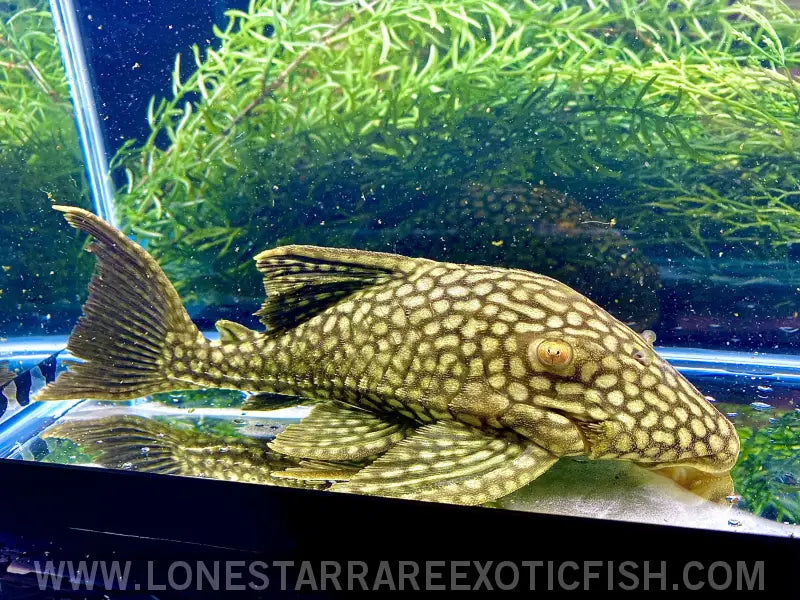
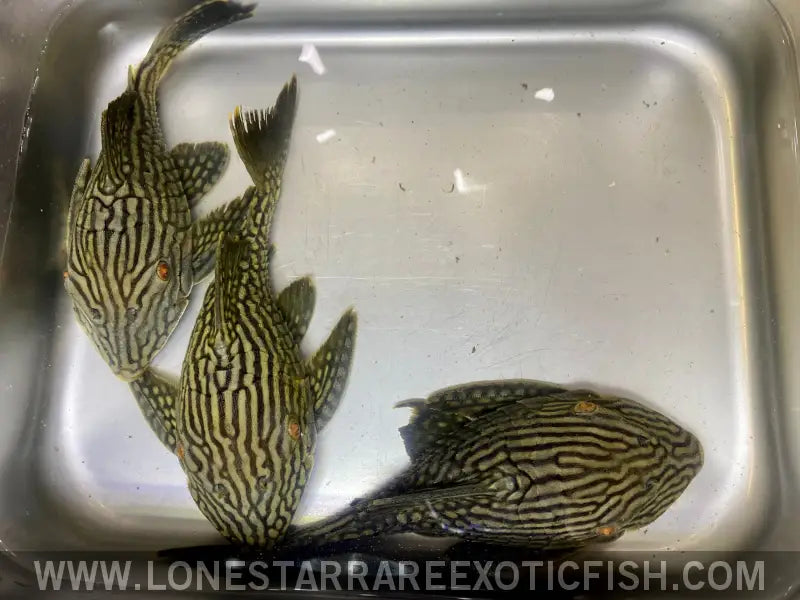
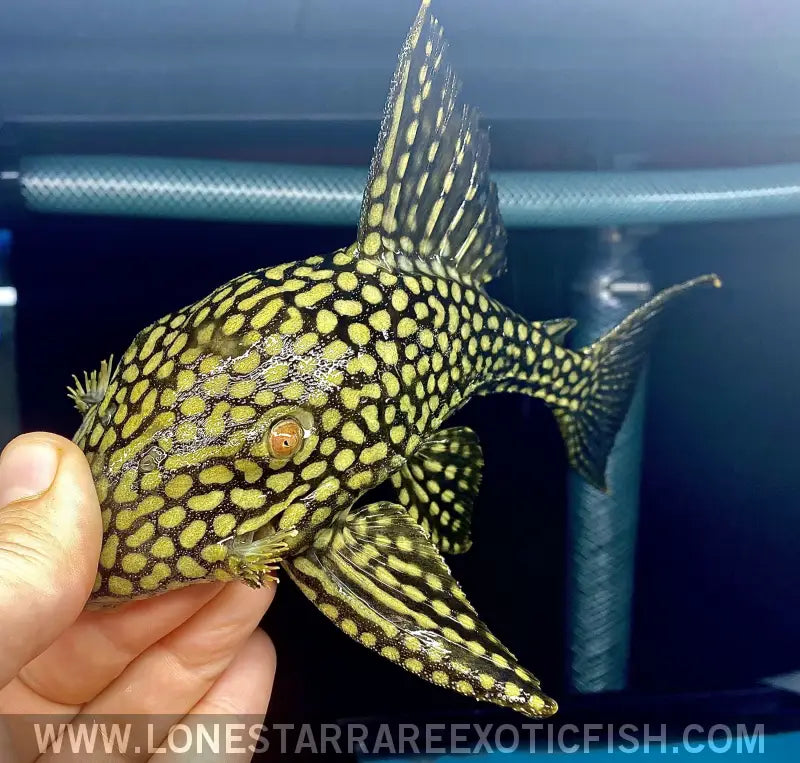
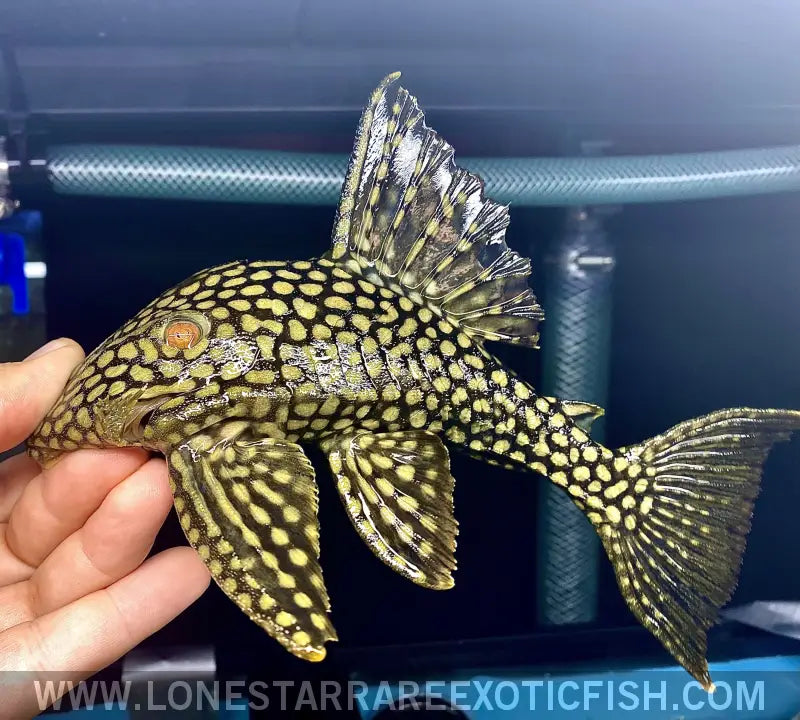
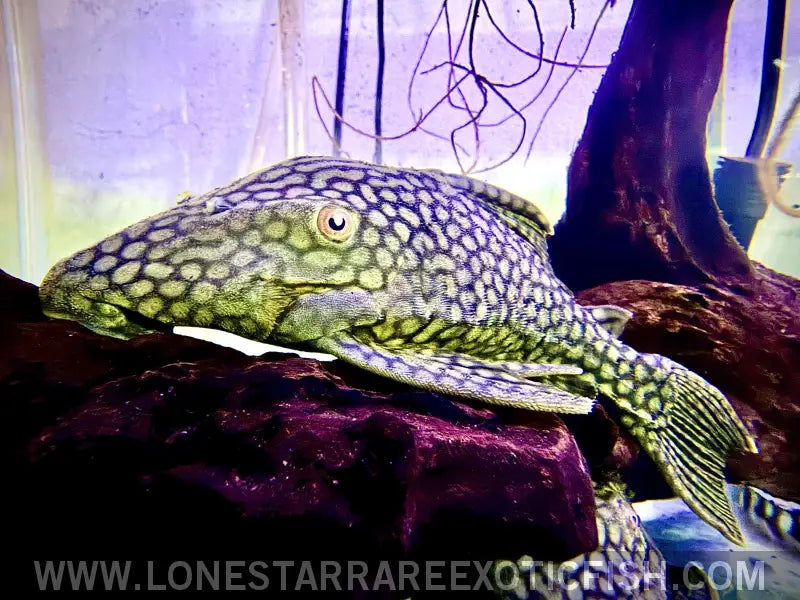
The Watermelon Pleco is a large, robust wood-eating catfish and the spotted form of the Royal Pleco. Where most Royal Plecos are covered in dark wavy lines, the L330 is boldly spotted, with pale cream to yellow-green spots on a dark olive-green body. That pattern looks a lot like the rind of a watermelon, which is where the name comes from. Young L330s often show lines much like a regular Royal Pleco, and the spots develop as the fish grows. How much of the body ends up spotted varies from fish to fish, and the most heavily spotted individuals are the most prized. This striking coloration, combined with its impressive size, makes it a popular choice among aquarists.
Habitat and Distribution:
The L330 comes from the Guaviare River basin in southern Colombia, including the Ariari and Güejar rivers, in the southwestern corner of the Orinoco River basin. It was formally described in 2020 as a subspecies of the Royal Pleco, Panaque nigrolineatus laurafabianae. In the wild it lives among fallen trees and tangles of submerged wood, which play a crucial role in its diet and habitat.
Size and Lifespan:
The Watermelon Pleco can grow to a substantial size, reaching around 17 inches (43 cm) in standard length (snout to the base of the tail), so a big adult is longer still with the tail fin. With appropriate care and a suitable environment, they can have a lifespan of 10 to 15 years or more.
Diet and Behavior: Like other members of the genus Panaque, the Watermelon Pleco is specialized in feeding on wood. In the wild it rasps large amounts of submerged wood. Research on Panaque digestion suggests they get most of their nutrition from the biofilm, fungi and decaying material in and on the wood rather than from digesting the wood itself. So driftwood is essential, but it is not a complete diet. In captivity, it's important to provide plenty of driftwood for grazing, along with high-quality sinking pellets, algae wafers, and fresh vegetables such as zucchini and peas. They are generally nocturnal and can be quite shy.
Breeding and Reproduction:
Breeding the Watermelon Pleco in the aquarium has not been reported. The L330s we sell are wild caught.
Aquarium Care and Tank Requirements:
Due to their potential size, a large aquarium is necessary. An adult needs at least a 6-foot tank with a 2-foot or wider footprint (180 gallons or more); larger is better. The tank should replicate their natural habitat with a strong current, plenty of oxygenation, and a good amount of driftwood. The substrate should be soft to prevent injury.
Ideal Tank Mates:
The Watermelon Pleco ignores fish it can't fit in its mouth and is peaceful with mid- and upper-level fish. Adults are often intolerant of other Royal Plecos and other large Panaque, and will fight over wood and caves. Plan on one Panaque per tank unless the aquarium is very large and gives each fish its own wood and caves. Suitable tank mates include peaceful fish that occupy the middle and upper levels of the tank.
Difficulty Level:
Intermediate to Advanced. Their specific dietary needs, large size, and requirement for a sizable tank make them more suited for experienced aquarists.
Water Parameters:
-
Temperature: 76-82°F (24-28°C)
-
pH: 6.5-7.5
-
General Hardness (GH): 6-10 dGH
-
Carbonate Hardness (KH): 3-8 dKH
-
Ammonia: 0 ppm
-
Nitrite: 0 ppm
-
Nitrate: <20 ppm
Additional Information:
- "Fully Spotted" and "Partially Spotted" describe each fish's pattern when we sell it. Partially spotted fish show a mix of spots and lines. An L330's pattern keeps developing as it grows, and every fish ends up a little different, so we grade each fish on the pattern it shows when we sell it.
- The Watermelon Pleco's unique requirement to feed on wood means that this should be a primary consideration in tank setup and maintenance.
- They produce a significant amount of waste, particularly because of their wood-based diet, so excellent filtration and regular water changes are crucial to maintain water quality.
- The impressive size and striking appearance of the Watermelon Pleco make it a centerpiece in a large home aquarium.