Common Name: Philippine Blue Angelfish
Scientific Name: Pterophyllum scalare
Other Names: Blue Pinoy Angelfish, Freshwater Angelfish
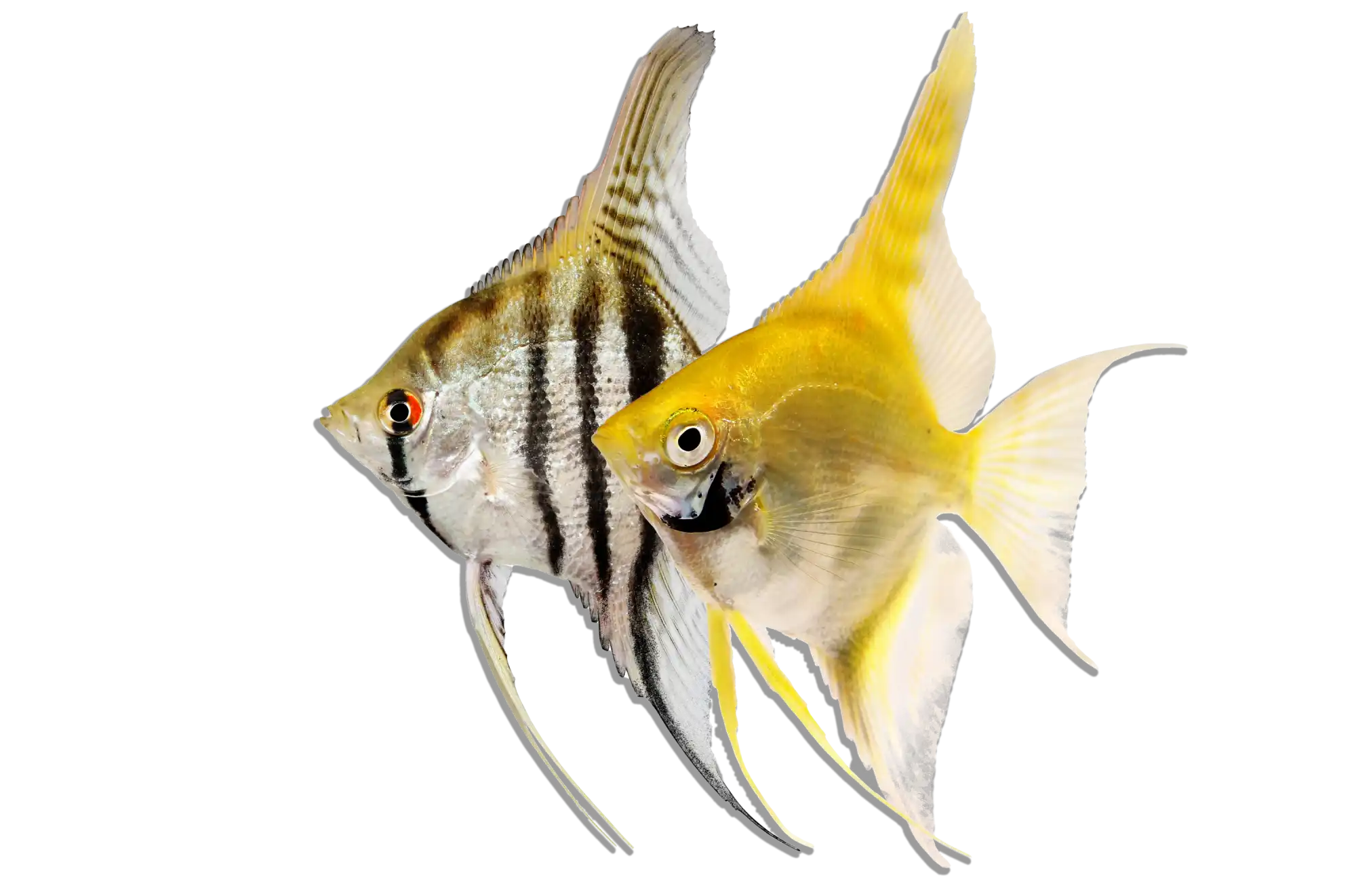
The Philippine Blue Angelfish is a captive-bred color strain of the freshwater angelfish and a favorite with angelfish enthusiasts. Freshwater angelfish have a tall, disc-shaped body with long, flowing dorsal and anal fins and delicate ventral fin streamers. The Philippine Blue is a captive-bred line developed for its blue coloration, which looks its best under good lighting. Angelfish are among the most recognizable aquarium fish in the world.
Habitat and Distribution:
Wild angelfish come from the Amazon basin of South America, where they live in slow-moving, heavily vegetated waters among submerged roots and branches. The Philippine Blue itself is a captive-bred color form and does not occur in the wild.
Size and Lifespan:
Angelfish grow to about 6 inches (15 cm) long and up to 8 inches (20 cm) tall including fins. With proper care they can live 10 years or more.
Diet and Behavior:
Angelfish are omnivorous and feed on small invertebrates, insect larvae and small fish in the wild. In the aquarium, offer quality flakes and pellets supplemented with frozen bloodworms, brine shrimp and mysis. They are generally peaceful, but will eat very small fish such as neon tetras, and pairs can become territorial when breeding. Feed a varied diet and remove uneaten food promptly to protect water quality.
Breeding and Reproduction:
Angelfish are open spawners that form pairs and lay rows of eggs on vertical surfaces such as broad leaves, slate or the aquarium glass. Both parents typically guard and fan the eggs, and the fry become free-swimming after about a week. Pairs are best allowed to form naturally from a group of young fish.
Aquarium Care and Tank Requirements:
A tall tank of at least 30 gallons is recommended for a pair, or 55 gallons for a group. The aquarium should include tall plants, driftwood and open swimming space, with gentle filtration and stable, clean water. The water temperature should be kept between 76-84°F (24-29°C), with a pH of 6.0-7.5 and soft to moderately hard water. Regular partial water changes are essential to maintain water quality, and new arrivals should be acclimated slowly.
Ideal Tank Mates:
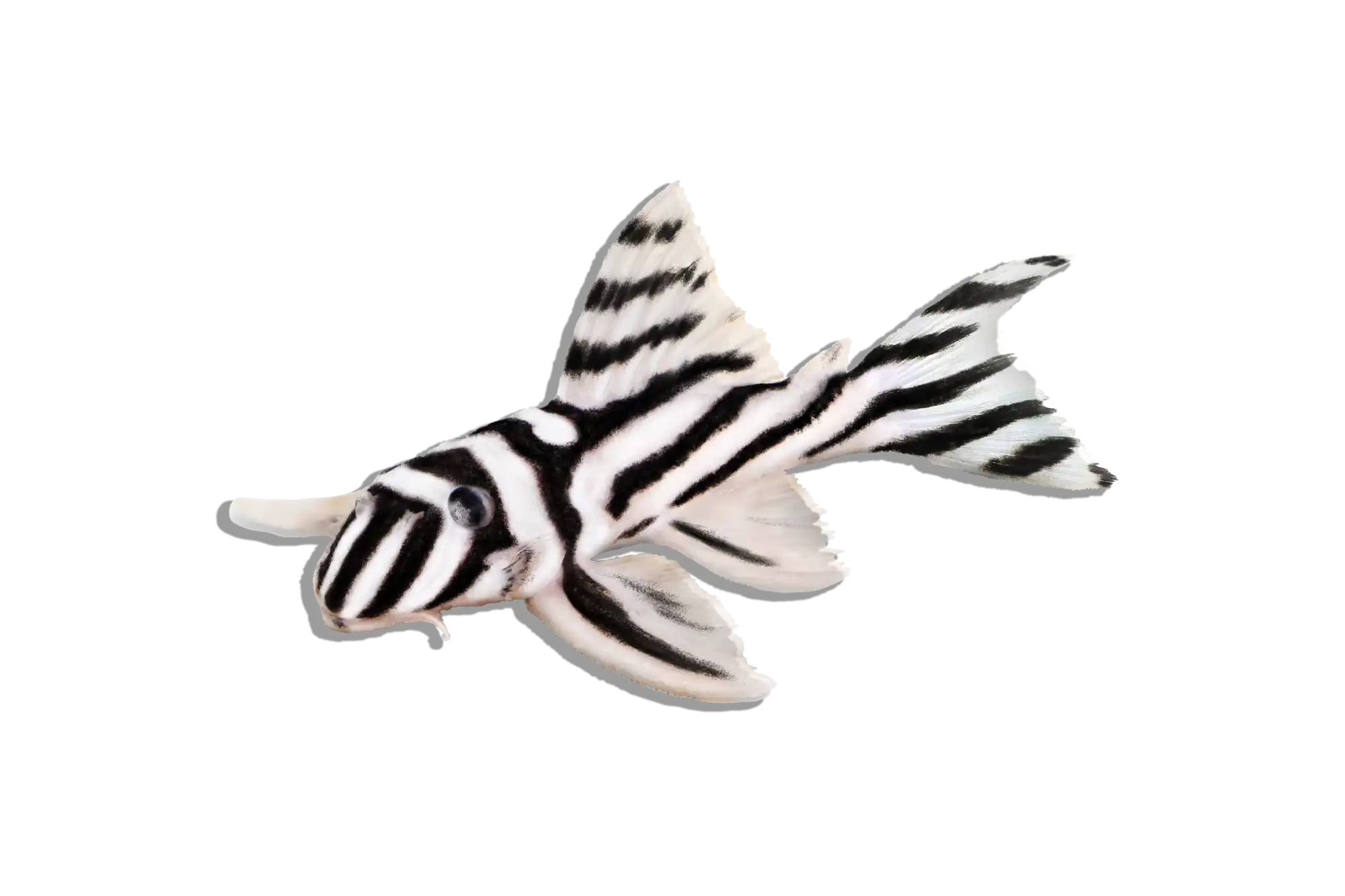
Good tank mates include medium-sized, peaceful fish such as larger tetras, corydoras, plecos, gouramis and peaceful dwarf cichlids. Avoid fin-nippers like tiger barbs and any fish small enough to be eaten. As with any aquarium, introduce new fish carefully and watch for signs of stress or aggression.
Difficulty Level:
Beginner to Intermediate. Captive-bred angelfish are hardy and adaptable, but they need a tall tank, stable water and thoughtful tank mate selection. Aquarists with some basic experience should find it straightforward to keep.
Water Parameters:
-
Temperature: 76-84°F (24-29°C)
-
pH: 6.0-7.5
-
General Hardness (GH): 3-10 dGH
-
Carbonate Hardness (KH): 2-6 dKH
-
Ammonia: 0 ppm
-
Nitrite: 0 ppm
-
Nitrate: <20 ppm (regular water changes required)
Additional Information:
- Angelfish often pair off as they mature, and a bonded pair may claim part of the tank when spawning.
- Their long fins make them a target for fin-nipping fish, so choose calm tank mates.
- Fun fact: Despite their name, freshwater angelfish are cichlids and are not related to marine angelfish.
The Philippine Blue Angelfish is a graceful, eye-catching centerpiece fish for planted and community aquariums. With the right setup and care, it will be a rewarding addition for many years.