Common Name: Tiger Oscar Cichlid
Scientific Name: Astronotus ocellatus
Other Names: Oscar, Tiger Oscar, Velvet Cichlid, Red Oscar, Marble Cichlid
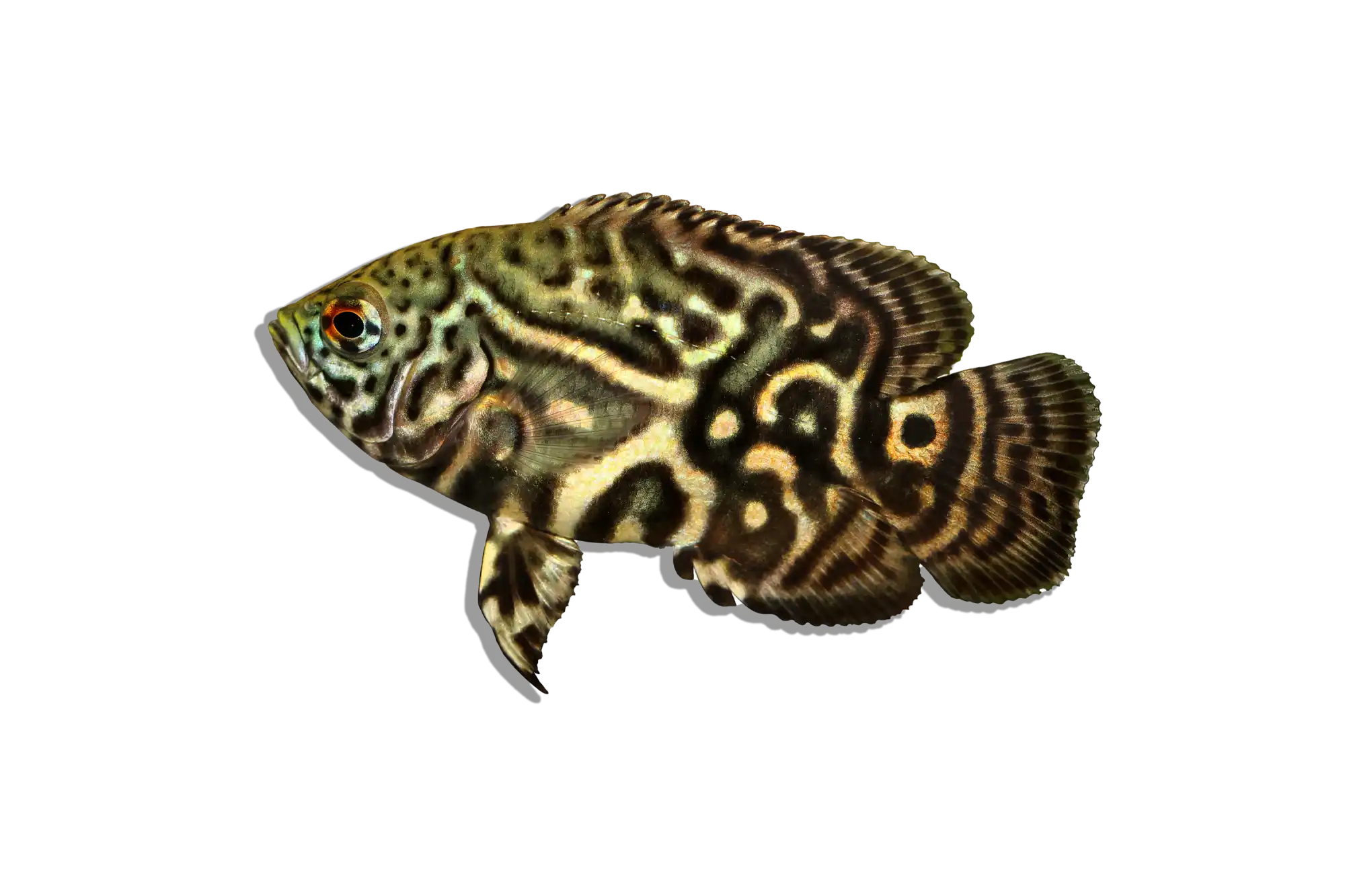
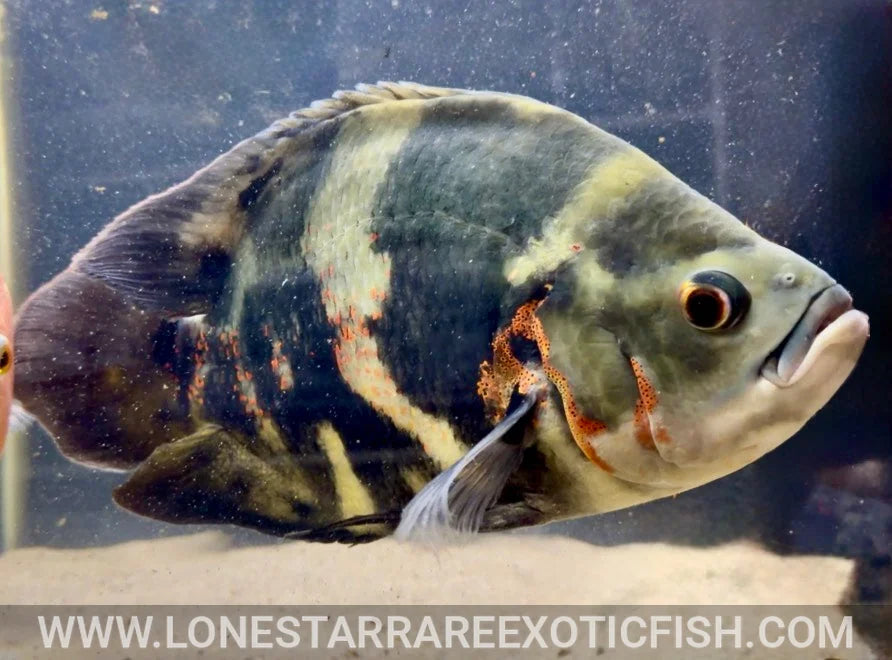
The Tiger Oscar (Astronotus ocellatus) is a large, intelligent South American cichlid that has been a favorite of aquarium keepers for generations. "Tiger" is a common trade name for the species and also the name of a popular ornamental strain with bold orange-red markings over a dark body. Oscars are known for recognizing their owners and begging at the front glass, which is a big part of their appeal. The fish on this listing are offered as 5 to 6 inch wild-caught and 12 to 14 inch captive-bred fish.
Habitat and Distribution:
Oscars are native to the Amazon River basin in Brazil, Bolivia, Colombia, French Guiana and Peru, including the Ucayali, Solimões, Amazonas, Negro, Madeira, Tapajós and Tocantins rivers. They are most often found in the shallows of slow-moving or still waters in forested areas, usually around submerged tree roots or under overhanging plants, and seem to favor silty, muddy-looking white water.
Size:
Adults reach about 14 inches (35 cm) in standard length, which does not include the tail. With good care, oscars typically live 10 to 20 years, so plan for a long-term pet.
Diet and Behavior:
Oscars are omnivores that lean heavily toward meaty foods. In the wild they eat smaller fish, insects, crustaceans, zooplankton and some plant matter. In the aquarium, a quality cichlid or carnivore pellet makes a good staple, with regular live or frozen foods such as earthworms, prawns and river shrimp. Avoid beef heart, chicken and feeder fish such as goldfish, which can bring in parasites and disease. Oscars are greedy, so take care not to overfeed. They are not especially aggressive for cichlids of their size, but they will eat any fish small enough to swallow.
Breeding and Reproduction:
Oscars are hard to sex, since males and females look almost the same. The usual way to get a pair is to raise a group of six or more young fish and let them pair off as they mature, then move the others out. Pairs clean a flat rock or similar surface and lay their eggs on it, and both parents guard the eggs and fry. A single female can lay as many as 2,000 eggs, so plan ahead for the space a large brood needs.
Aquarium Care and Tank Requirements:
An aquarium with a base of about 60 x 24 inches (150 x 60 cm), about 150 gallons, is about the smallest that suits a single adult, and a pair or group needs more room. Oscars dig and rearrange décor, so use a soft sand substrate, large driftwood and fairly dim lighting rather than a delicate planted layout. Strong filtration and weekly water changes of 30 to 50% are essential. Keep the heater outside the tank or well protected if you can, since oscars have been known to break them.
Ideal Tank Mates:
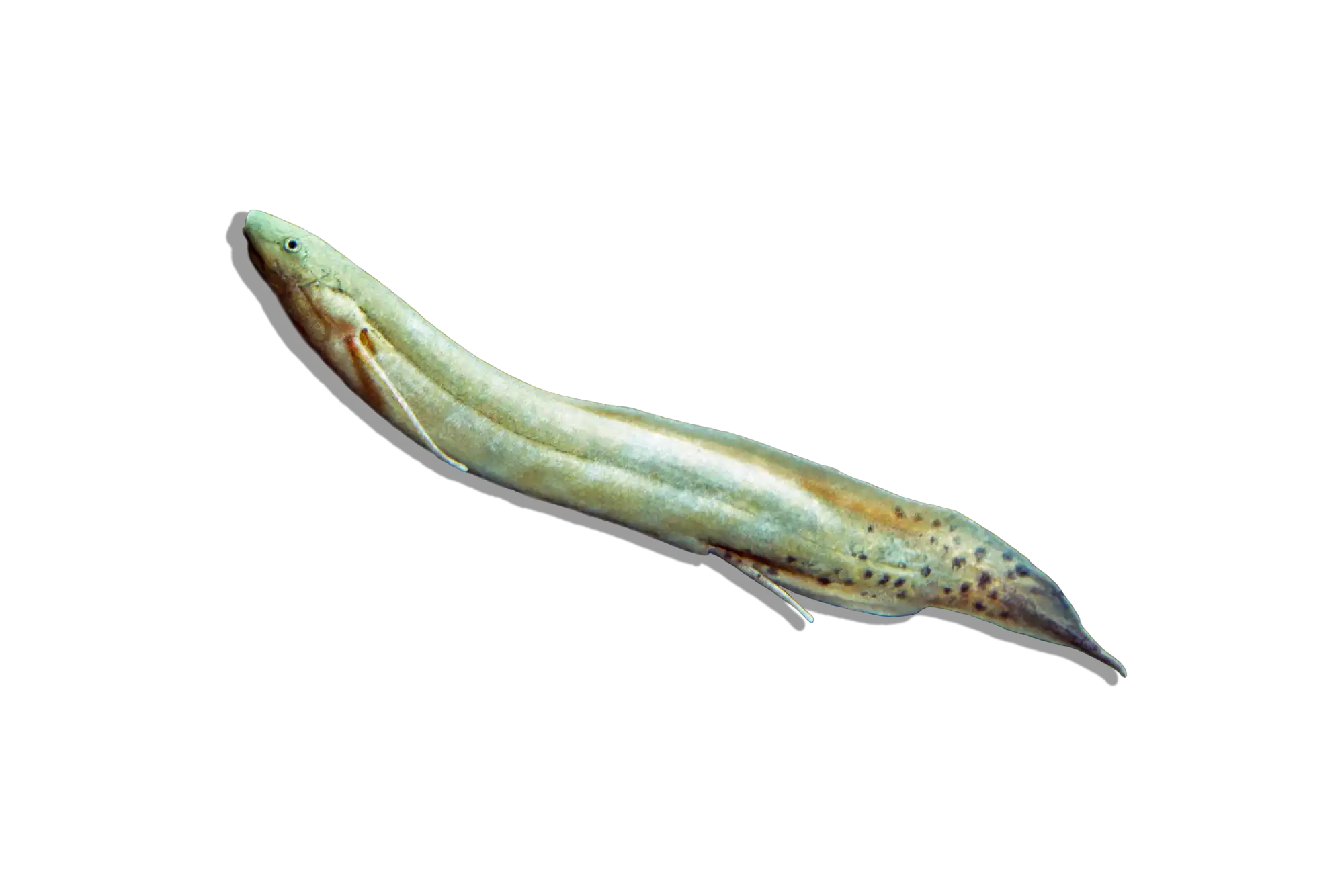
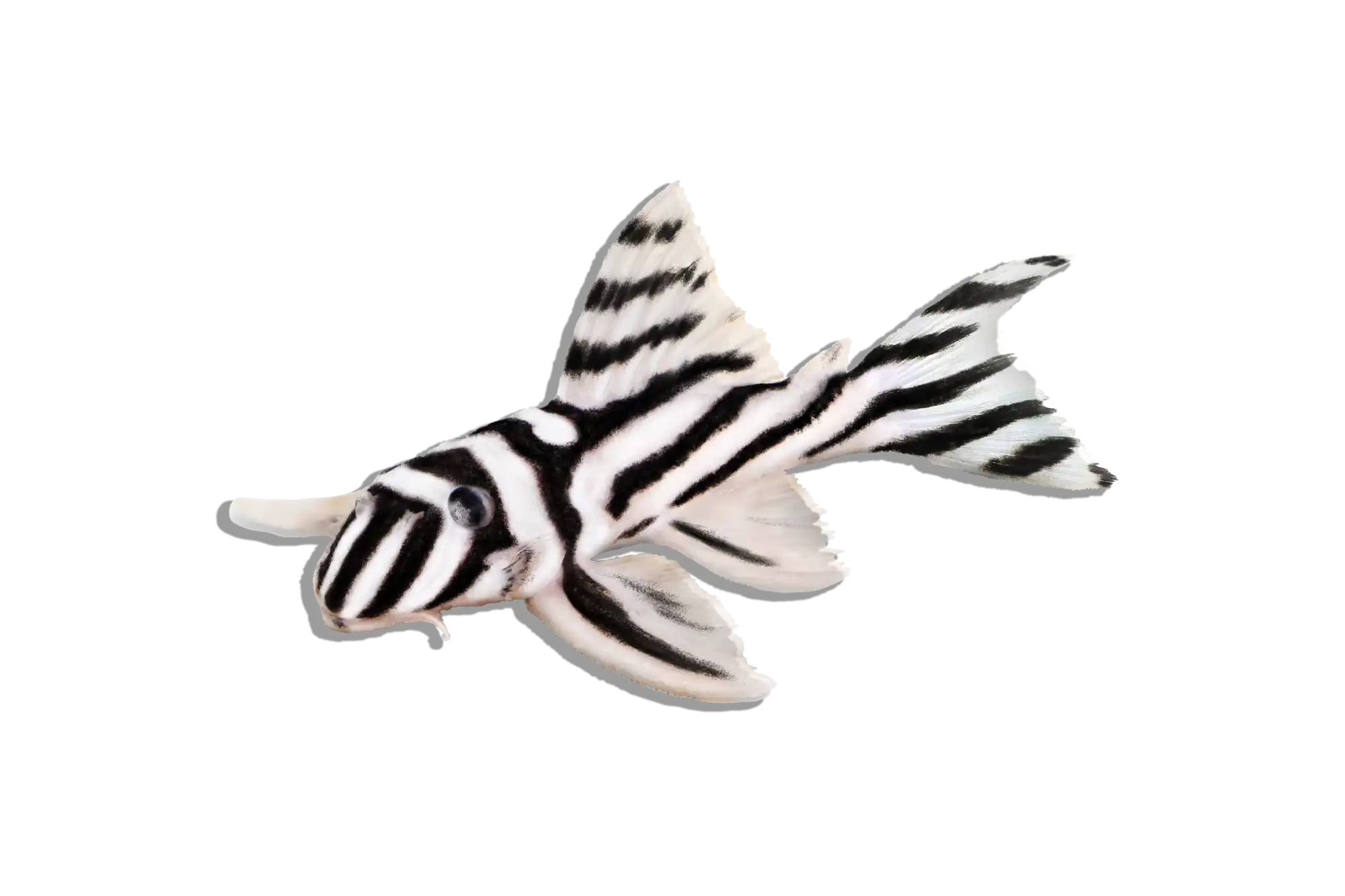
In a large enough aquarium, good tankmates include robust characins and headstanders (such as silver dollars and banded leporinus), other cichlids of similar size and larger plecos or talking catfish. Avoid any fish small enough to fit in their mouths.
Difficulty Level:
Intermediate. Oscars are easy to feed and flexible on water conditions, but their adult size, long lifespan, need for strong filtration and a very large tank make them a serious commitment.
Water Parameters:
-
Temperature: 68-82°F (20-28°C)
-
pH: 6.0-7.5
-
General Hardness (GH): 5-20 dGH
-
Carbonate Hardness (KH): Keep enough buffering that pH stays stable.
-
Ammonia: 0 ppm
-
Nitrite: 0 ppm
-
Nitrate: <20 ppm (regular water changes required)
Additional Information:
- The species name ocellatus means "having small eyes," after the eye-like spot near the base of the tail.
- Juvenile oscars are usually black with white stripes, and the adult pattern develops as they grow.
- Oscars are established in the wild in south Florida, Hawaii and Puerto Rico. Never release an aquarium fish.
Restrictions:
Oscars are on Hawaii's conditionally approved list (HDOA, HAR 4-71-6.5), so an import permit is required before shipping to Hawaii. Check your state's rules before ordering.