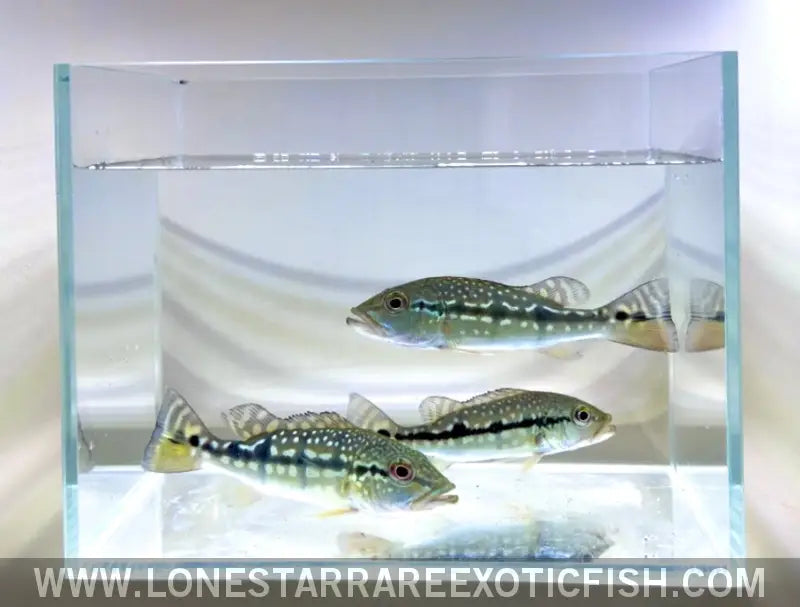
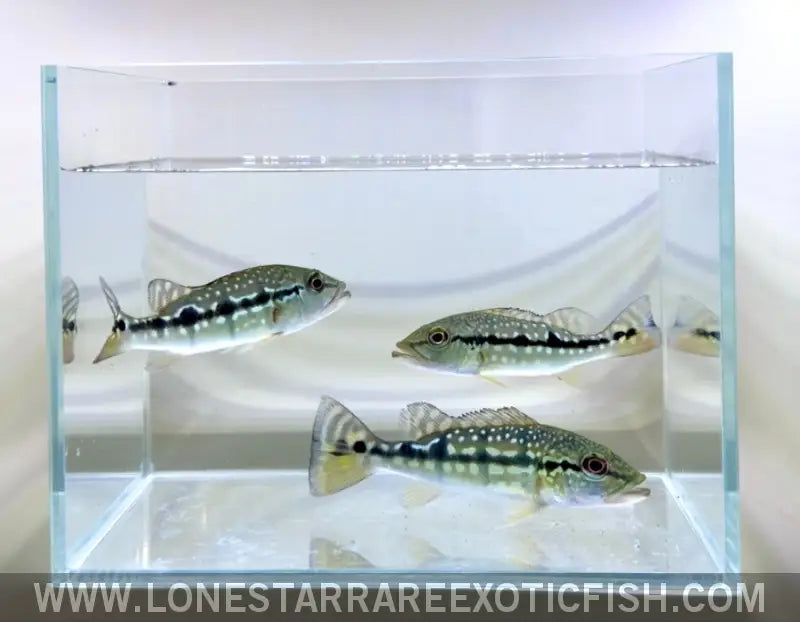
Common Name: Xingu Peacock Bass
Scientific Name: Cichla melaniae
Other Names: Tucunaré
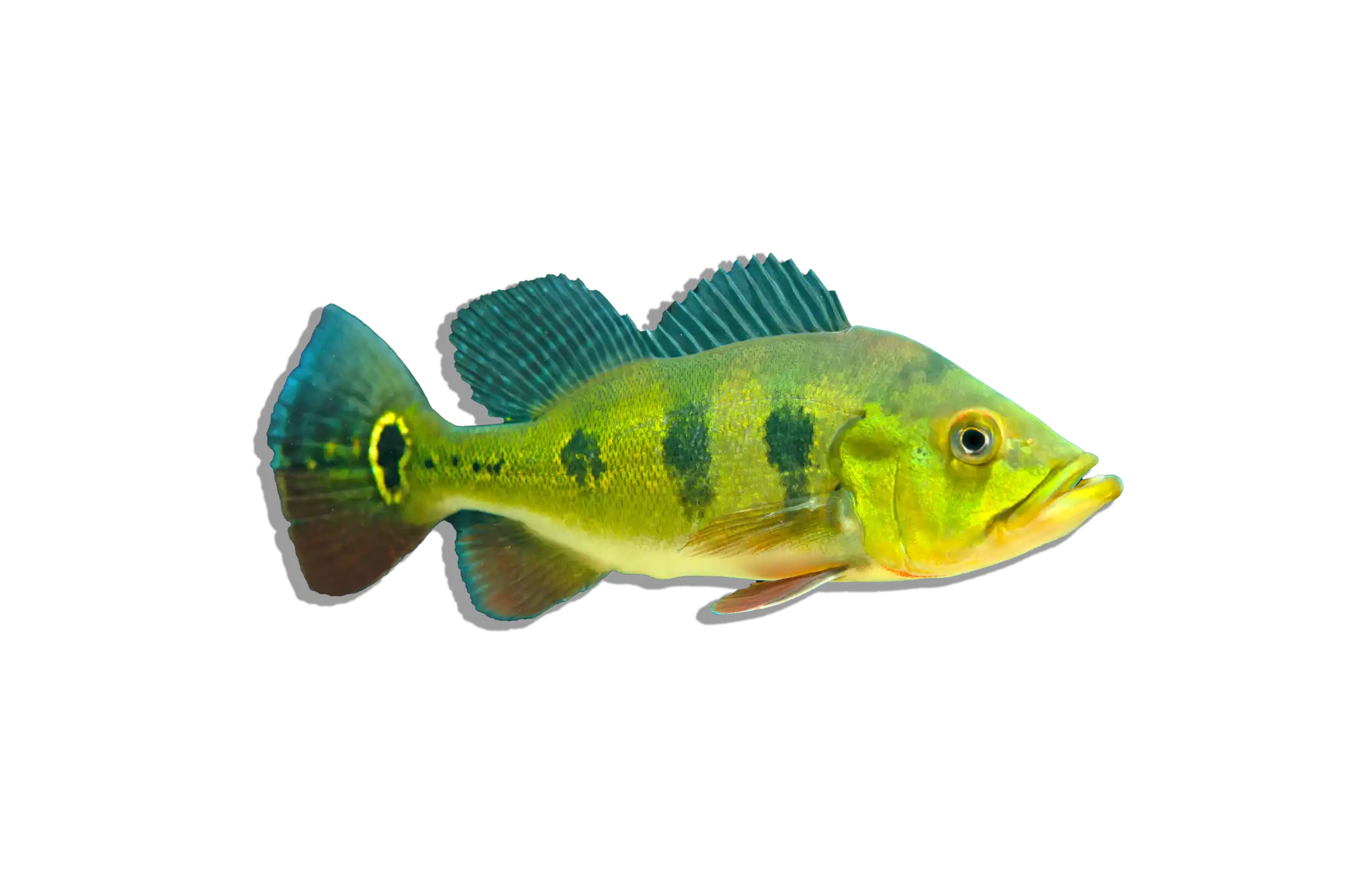
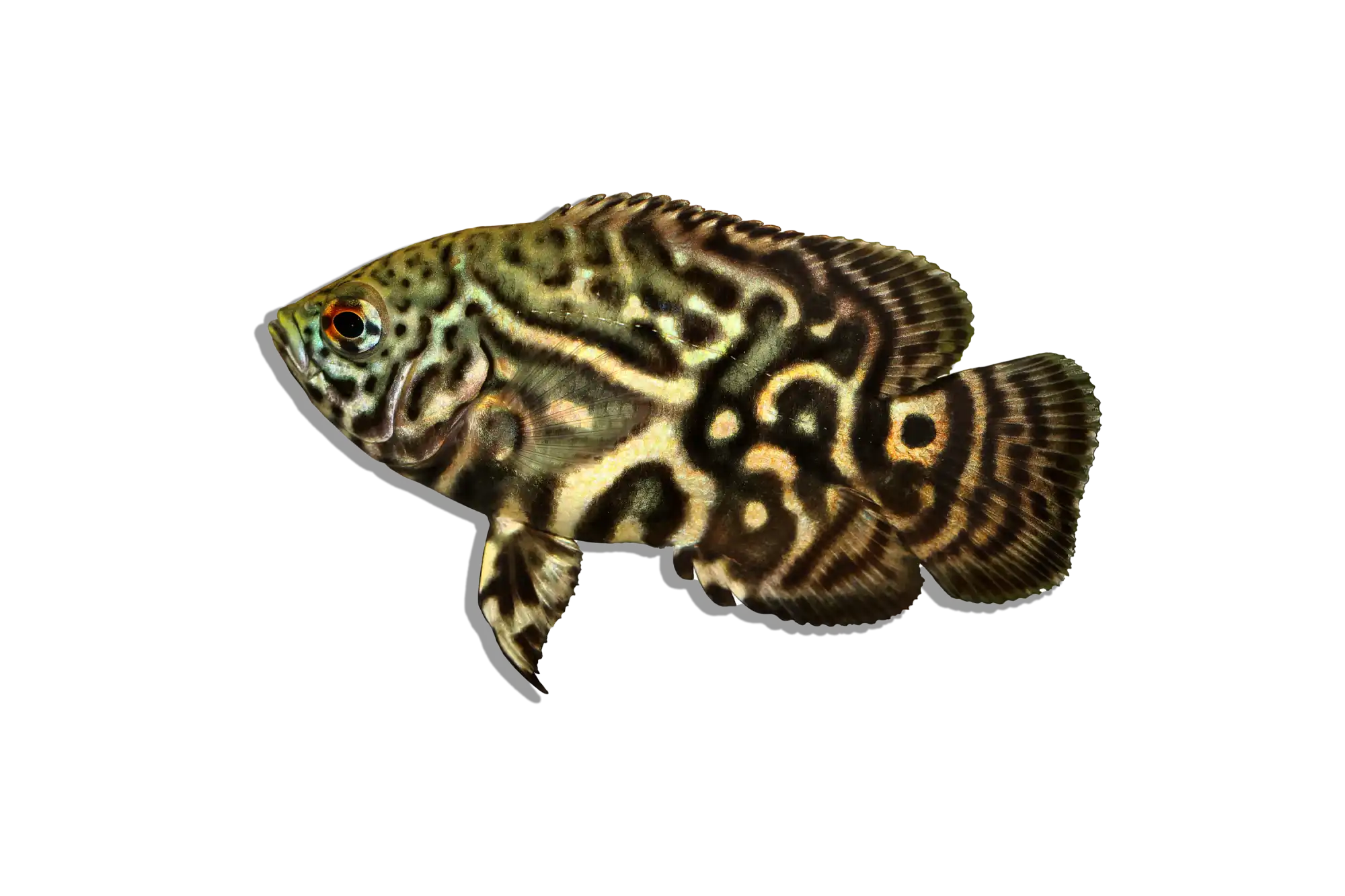
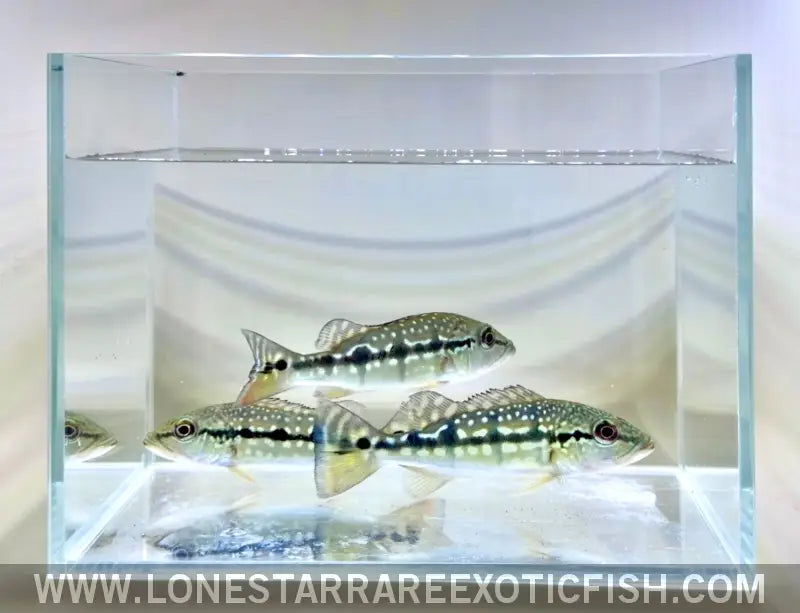
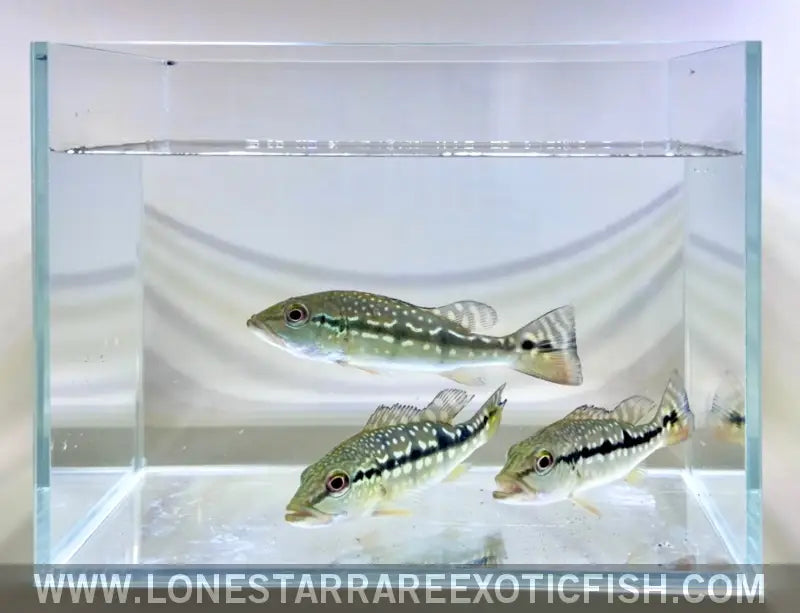
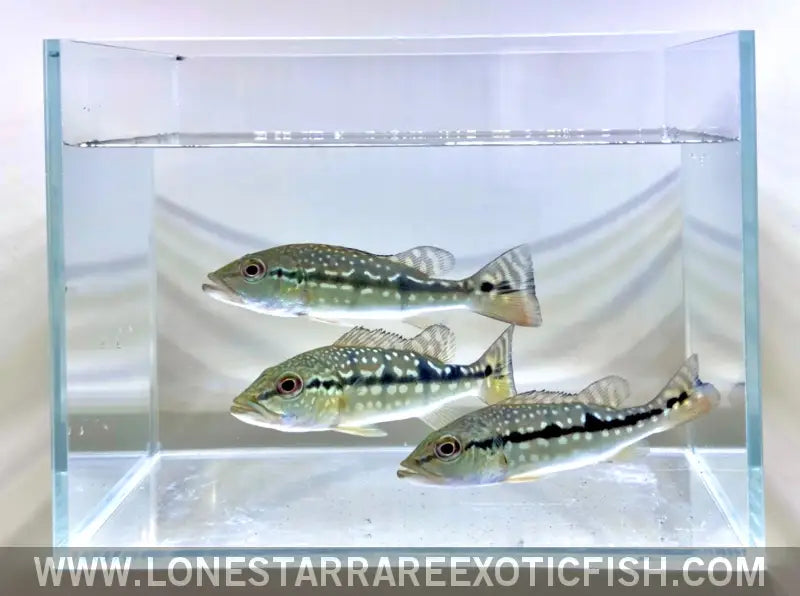
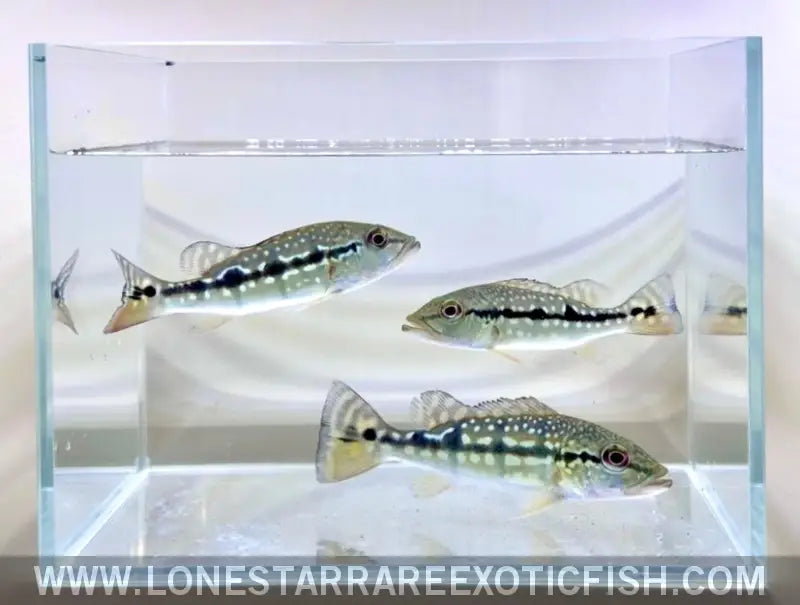
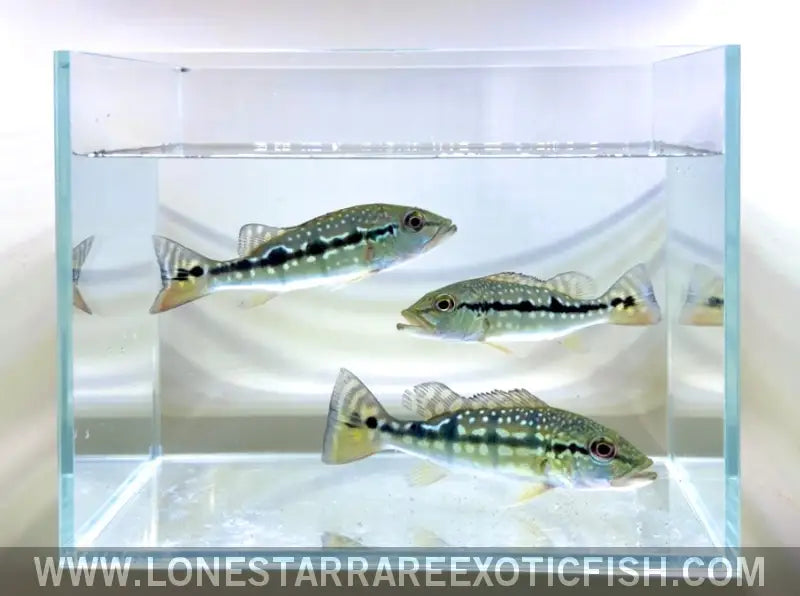
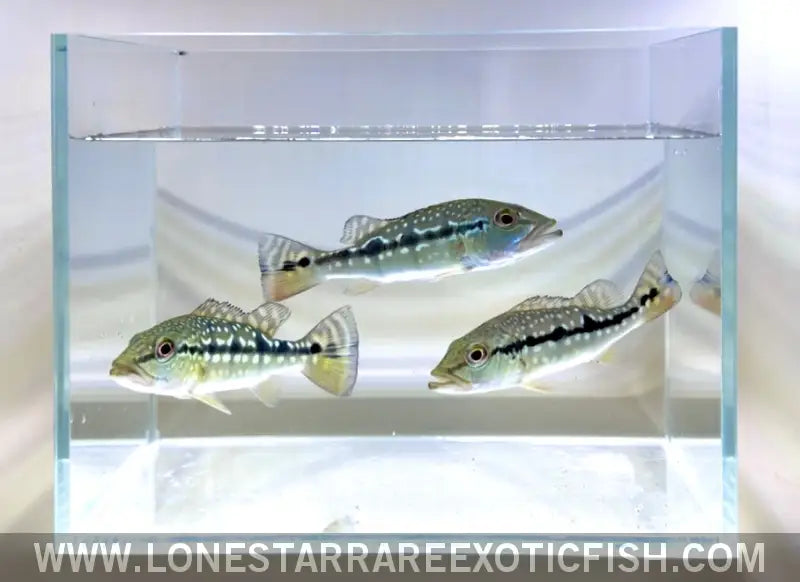
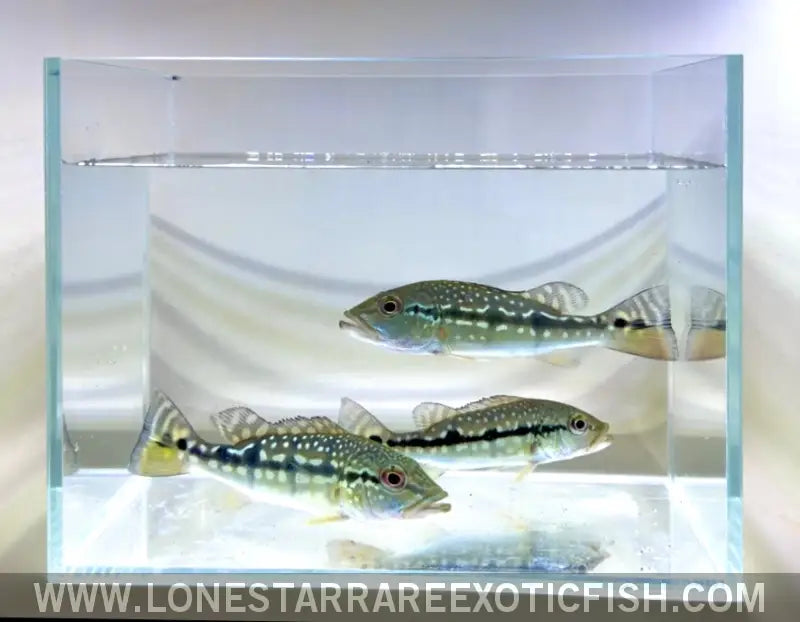
The Xingu Peacock Bass is a captive-bred peacock bass from Brazil’s Rio Xingu. Like other peacock bass, it has a robust, elongated body, a large mouth and a distinctive eye-spot at the base of the tail. It is highly sought after by South American cichlid enthusiasts for its striking appearance and bold, interactive personality.
Habitat and Distribution:
Cichla melaniae is native to the Rio Xingu in Brazil, a clear-water tributary of the Amazon. Peacock bass favor calmer stretches of river, lagoons and flooded areas near submerged structure, where they hunt smaller fish. The water in these habitats is typically warm, soft and slightly acidic, and submerged wood, rocks and leaf litter provide cover.
Size and Lifespan:
Adults reach about 12-14 inches (30-36 cm). With proper care, peacock bass can live 10-15 years.
Diet and Behavior:
Peacock bass are carnivorous and feed mainly on smaller fish and crustaceans in the wild. In the aquarium, offer quality carnivore pellets along with shrimp and krill. They are active predators that will eat smaller fish, and are best kept with robust tank mates of similar size. Feed a varied diet and remove uneaten food promptly to protect water quality.
Breeding and Reproduction:
Peacock bass are substrate spawners that form pairs, lay their eggs on a cleaned flat surface such as a rock or log, and guard the eggs and fry aggressively as a pair. Captive breeding requires a very large tank and is mostly carried out by specialist breeders.
Aquarium Care and Tank Requirements:
A tank of at least 150 gallons is recommended for an adult. The tank should be long and wide with plenty of open swimming space, efficient filtration, strong water flow and a secure lid. Driftwood and smooth rocks around the edges provide cover without cluttering the swimming area. The water temperature should be kept between 76-84°F (24-29°C), with a pH of 6.0-7.5 and soft to moderately hard water. Regular partial water changes are essential to maintain water quality, and new arrivals should be acclimated slowly.
Ideal Tank Mates:
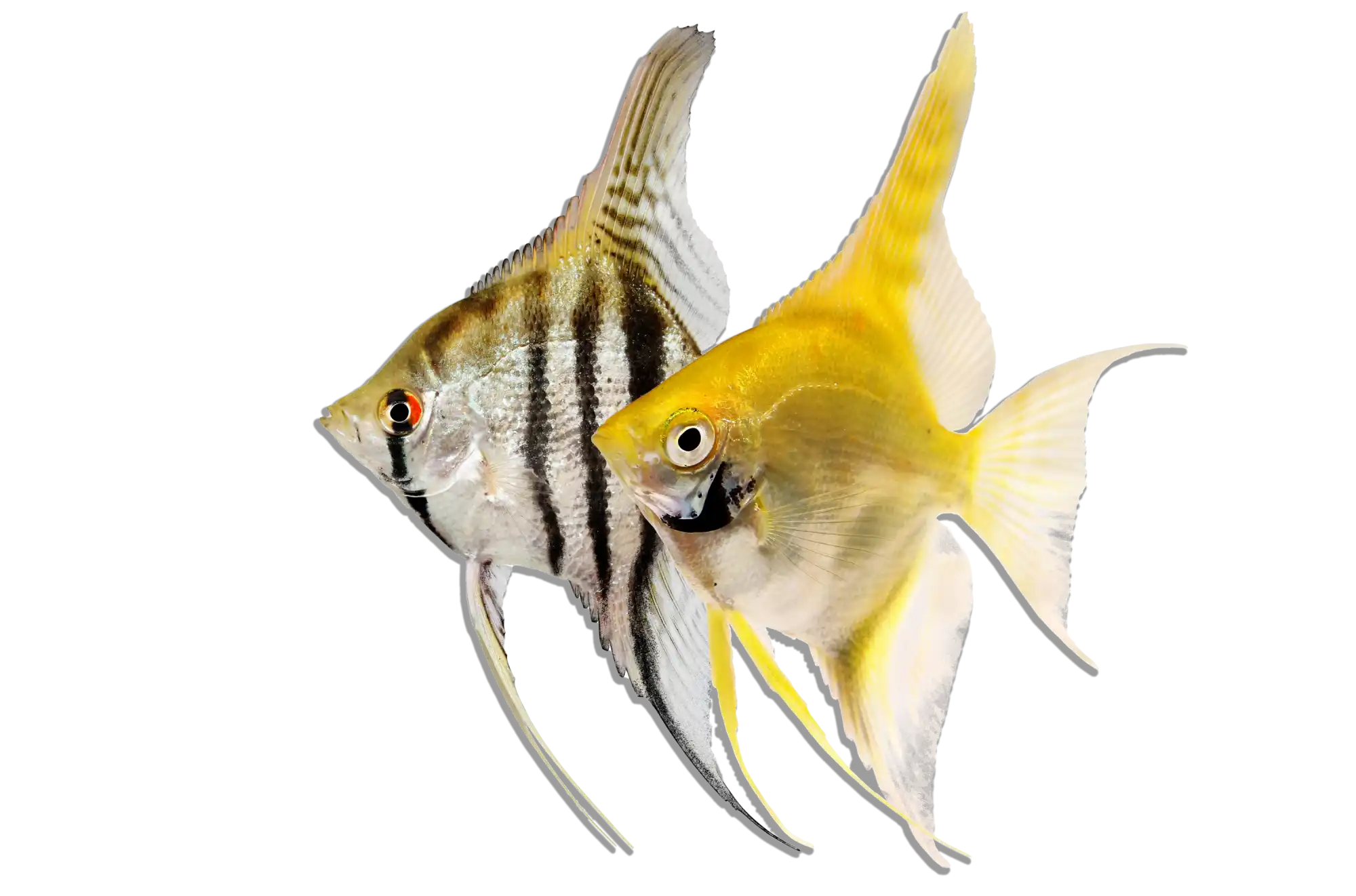
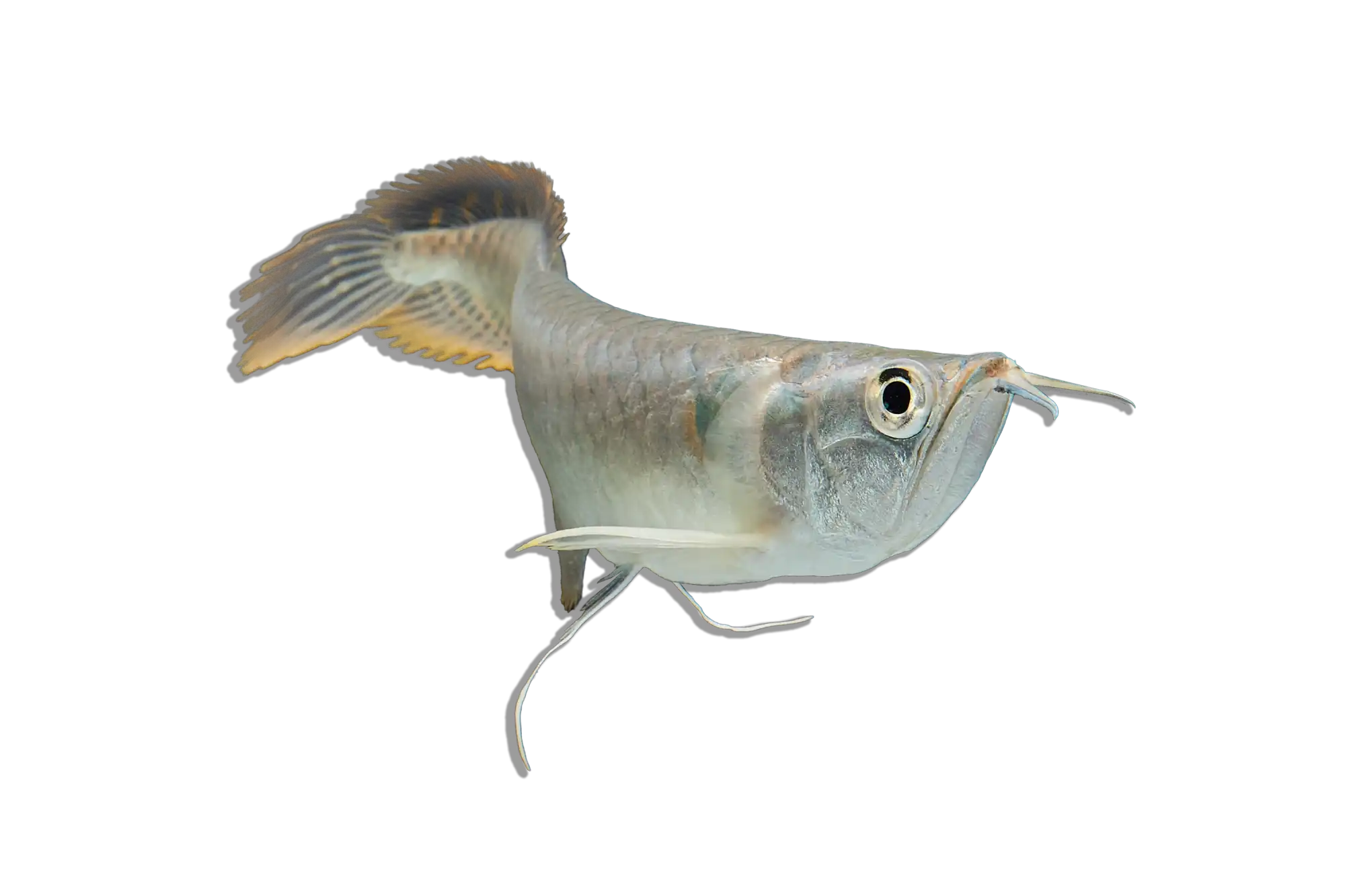
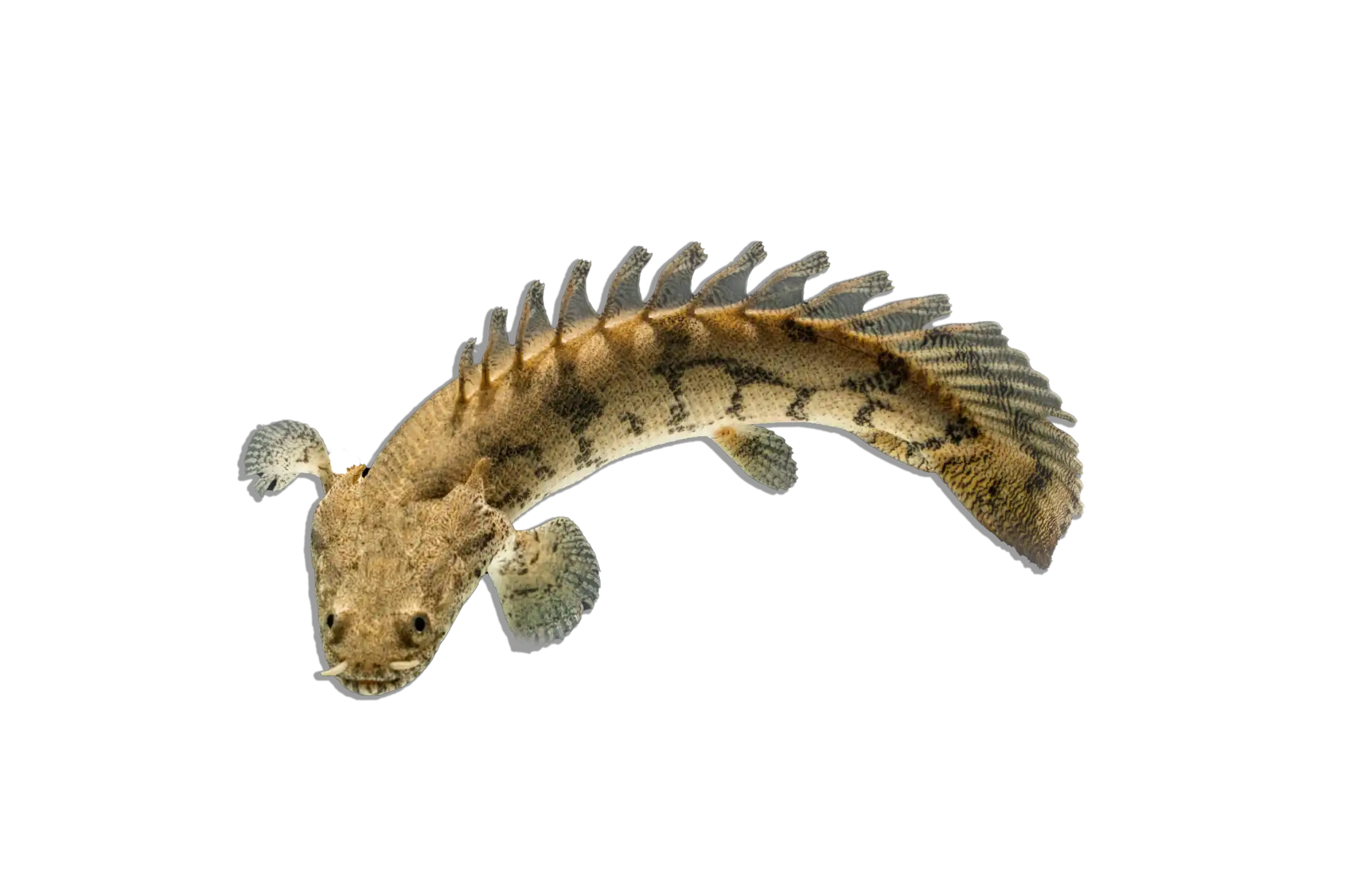
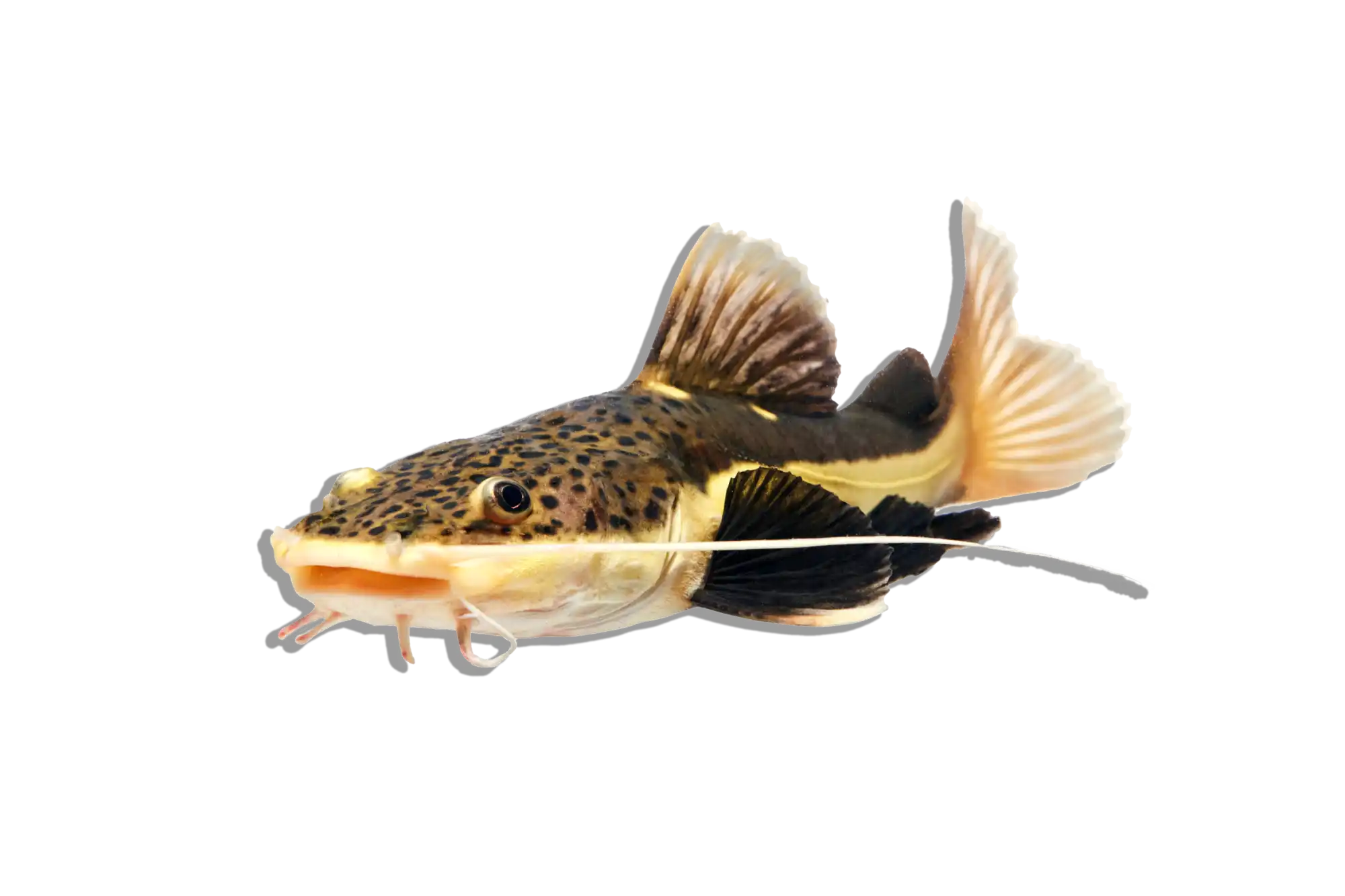
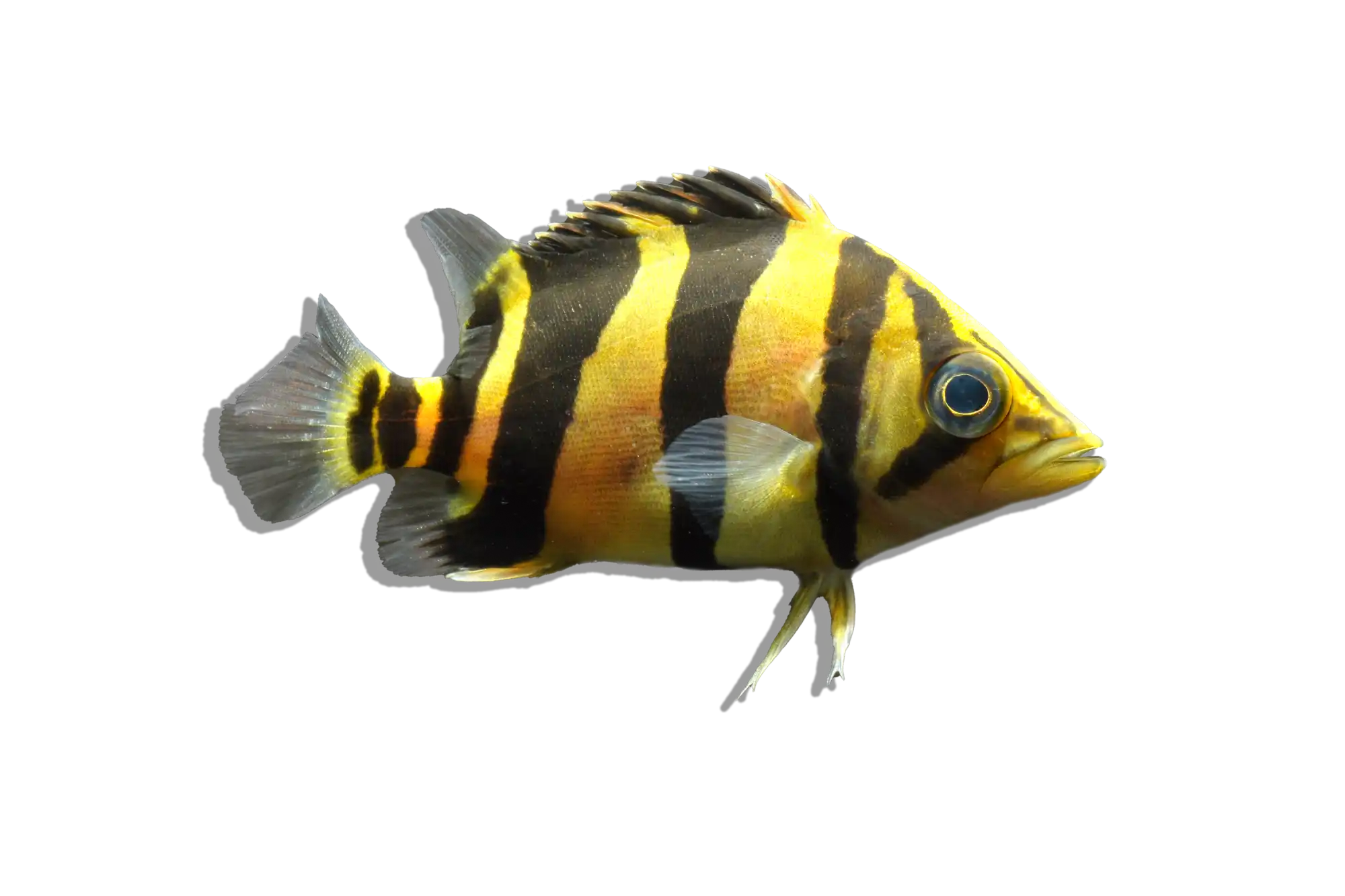
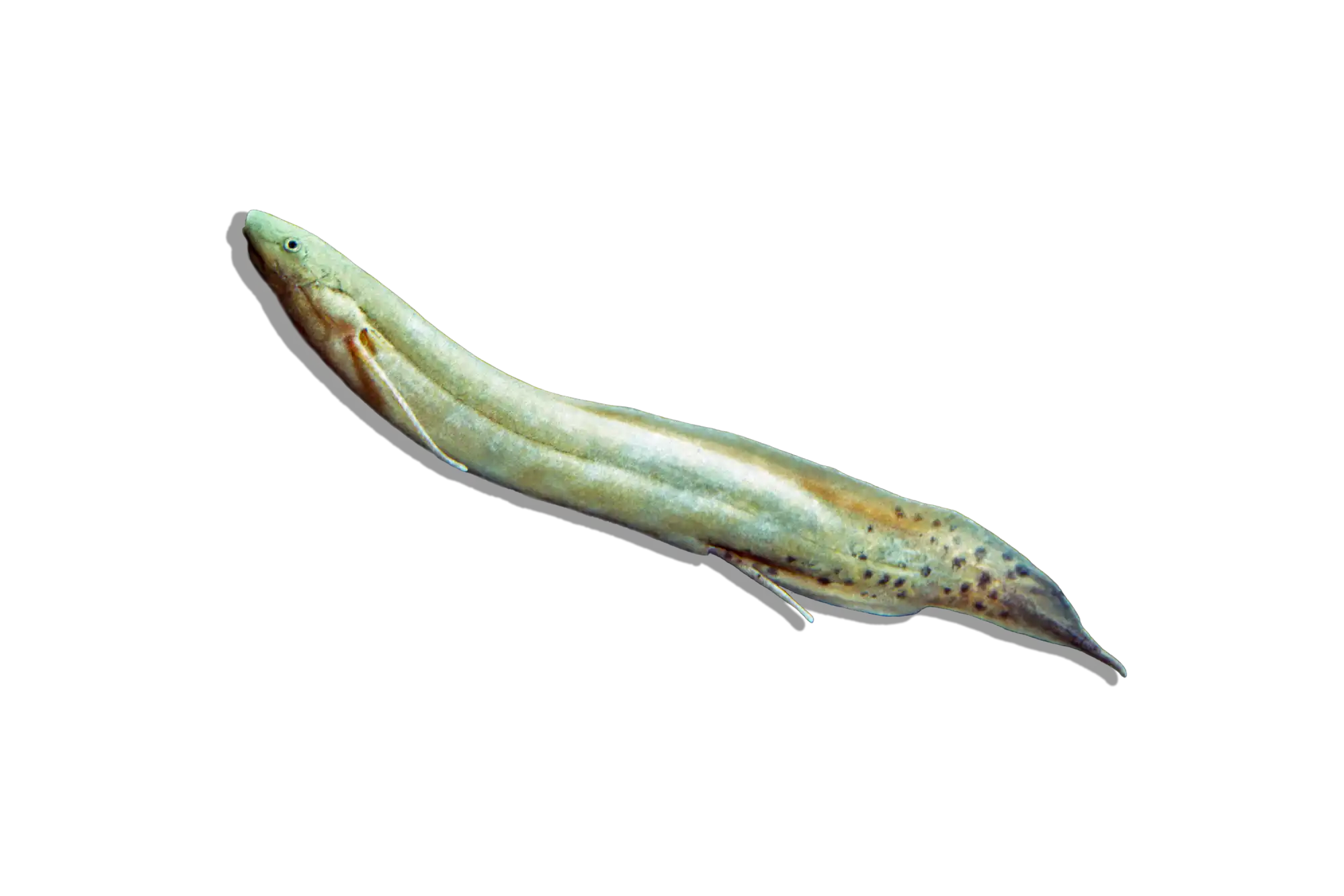
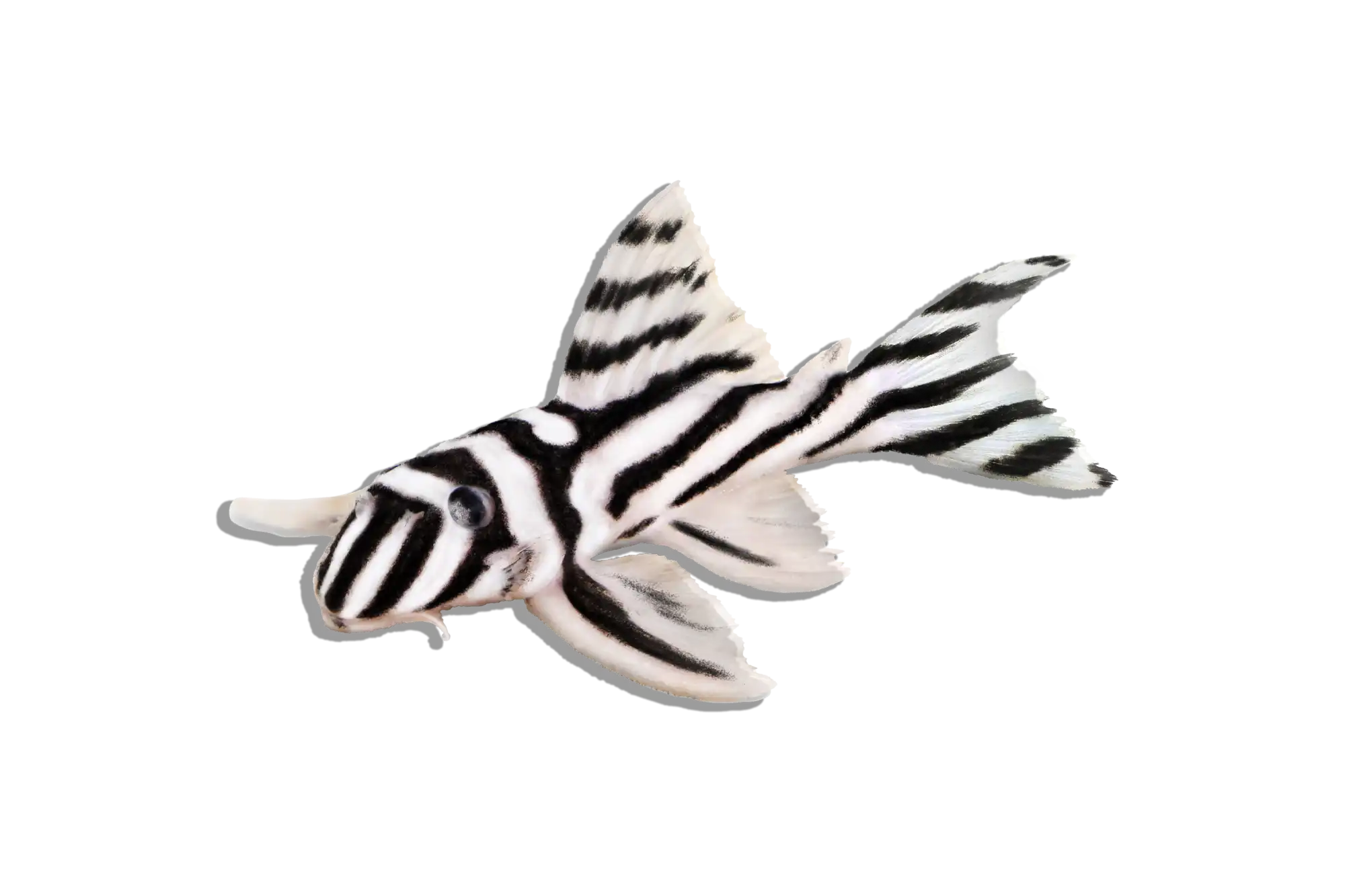
Suitable tank mates include other large, robust fish that share similar water requirements, such as other peacock bass, arowanas, large catfish, datnoids and large plecos. Avoid any fish small enough to be eaten. As with any aquarium, introduce new fish carefully and watch for signs of stress or aggression.
Difficulty Level:
Intermediate to Advanced. Peacock bass are hardy but grow quickly, eat heavily and need a large tank with excellent filtration. It is best suited to experienced aquarists who can provide the space and water quality it needs.
Water Parameters:
-
Temperature: 76-84°F (24-29°C)
-
pH: 6.0-7.5
-
General Hardness (GH): 2-10 dGH
-
Carbonate Hardness (KH): 2-6 dKH
-
Ammonia: 0 ppm
-
Nitrite: 0 ppm
-
Nitrate: <20 ppm (regular water changes required)
Additional Information:
- Peacock bass are fast-growing, active predators that need plenty of open swimming space.
- Most can be weaned onto pellets; feeder goldfish offer poor nutrition and can introduce disease.
- Fun fact: In Brazil, peacock bass are called tucunaré and are prized as one of the Amazon’s top sport fish.
The Xingu Peacock Bass is a less commonly seen peacock bass that rewards keepers with bold behavior and a big personality.
Restrictions:
Banned or permit required in Hawaii, Maine and Nevada. Check your state's rule in our list of illegal fish by state.