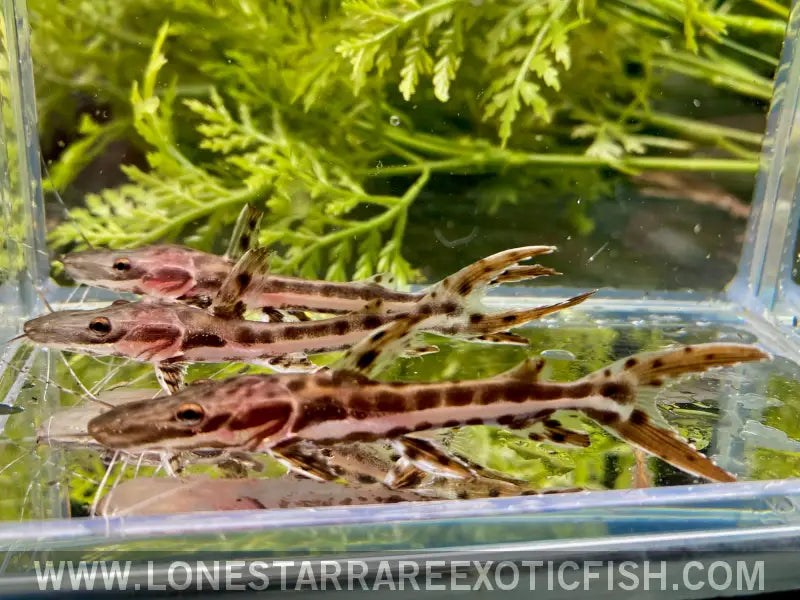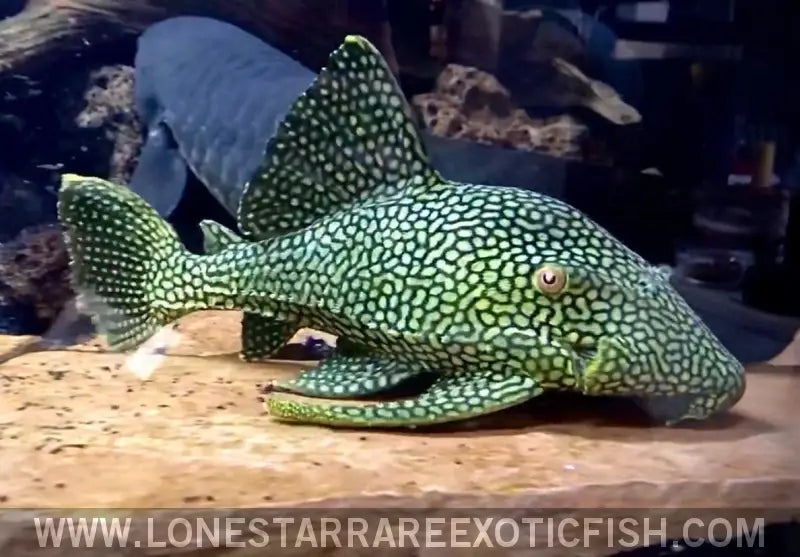

On a weeknight, somewhere in an overnight carrier's network, a fish is sealed in a bag inside an insulated box. If it was prepared properly, it hasn't been fed for a day or more, so it fouls its water as little as possible, and if all goes to plan it will be on a doorstep by the next morning. So is it safe to buy fish online? For a healthy, properly prepared fish, yes, as long as the seller controls what it can and the buyer handles the few things only the buyer can. For many rare species, it's also the only realistic way to get one: few local stores ever stock the rarer plecos, cichlids and big predators. Below is how both halves work, and what to check before you order.
Is it safe to buy fish online? Where the real risks are
A fish in a sealed bag doesn't know whether it was sold from a website or a shop counter. What decides how it arrives is temperature, time, the water chemistry inside the bag, and what happens in the first few hours after that bag is opened. Almost every shipping loss comes back to one of those four.
- Temperature. Tropical fish handle a slow drift far better than a fast swing. A box left on a 104°F porch or riding in a freezing truck is the biggest single threat, and it's why a careful shipper will delay an order rather than gamble on the weather.
- Time. A well-packed bag has a comfortable margin for an overnight trip. A missed delivery that adds a second day eats into that margin.
- Bag chemistry. During the trip, carbon dioxide and ammonia build up in the bag water (UF/IFAS). Oddly, the CO₂ helps: it lowers the pH, which keeps most of the ammonia in its far less toxic form. That protection disappears once the bag is opened. The chemistry is explained in How Long Can Fish Survive in a Bag?
- The first few hours. AZA's Fish Transport Manual notes that deaths in transit are "highly skewed to the very end of the shipping time," so how the fish is handled on arrival matters (AZA Fish Transport Manual).
The seller controls the first three. You control the fourth, and you can help with the first two by choosing a delivery day when someone is home.
What careful live-fish shipping looks like
Shipping policies differ from seller to seller, but a careful one covers the same ground. Before you order, look for these in the seller's policy:
- Overnight delivery, by next-day air or an equivalent service. Some large fish go by airline cargo for airport pickup instead, which the seller should arrange with you in advance.
- Shipping early in the week, so a box isn't left sitting in a carrier hub over a weekend. Many sellers let you pick the delivery date.
- A heads-up before your fish ships and tracking once the label is created, so you can plan to be home.
- A day or more without food before shipping. An empty gut puts less waste into the bag, and waste is what fouls bag water on a long trip.
- An insulated box and sealed bags, with spiny fish double- or triple-bagged. How Long Can Fish Survive in a Bag? explains what a well-packed shipment should look like.
- Clear weather rules. Many sellers require a heat pack in cold weather, won't ship at all in extreme heat or cold, and may hold an order for storms at either end or at the carrier hub in between. A seller who delays your order for the weather is protecting the fish.
- A list of where they ship. Many live-fish sellers don't ship to every state or territory, and state law restricts some species (see below).
Live arrival guarantees: what to check
Most live-fish sellers don't accept returns. A fish that has already made one trip shouldn't be boxed up for a second one. Instead, many offer a live arrival (dead-on-arrival, or DOA) guarantee. Read it before you order, because the conditions matter as much as the promise. Common conditions include:
- The package must be delivered on the first attempt, at the address on the order. Forwarding addresses often don't qualify.
- The weather must be within the seller's shipping range, or you must have added any heat pack the seller requires.
- You must report a loss within a short window after the marked delivery time, often just a few hours, with photos or video. Many sellers want the unboxing on video, including the fish in its sealed, unopened bag.
- Losses after a fish has been taken out of its bag usually aren't covered.
Remedies vary. Common ones are a refund for the fish (shipping often isn't refunded), store credit or a replacement. Some sellers also offer optional protection plans that cover deaths for a week or a month after arrival, usually with exclusions, such as a fish that was eaten or attacked by tankmates. In practice, all of this comes down to being home when the box arrives, with the tank ready before you order.
The first few hours after the box arrives
This is the part that's entirely in your hands.
- Know the claim window. If something is wrong, contact the seller promptly; many sellers require photos or video within a short window, so check their policy. That window usually starts at the marked delivery time, not when you get home from work.
- Film while you open it. Start recording before you cut the tape and keep going until every bag has been checked. If everything is fine, delete the video. If it isn't, you already have what the claim needs.
- Keep the lights low and float the sealed bags. Turn off the aquarium lights and dim the room before you open the box. Float the sealed bags about 15 to 30 minutes, just long enough for the temperatures to match; if a fish looks weak, skip the float. Even a fish that looks dead deserves the full process, because some recover. Keeping the bag sealed while it floats keeps the CO₂ in, and that lower pH keeps the bag's ammonia mostly in its less toxic form. The risky part starts once you open it, so have everything ready first.
- Acclimate slowly, but mind the ammonia. After a night in the bag, the water is low in pH and carries built-up ammonia. Once the bag is open, CO₂ escapes and the pH starts to climb. Mixing in tank water pushes it up faster, and a higher pH turns more of that ammonia into its toxic form. Add an ammonia binder as soon as you open the bag, then bring the fish over to your water with a measured flow of tank water for about 2 to 3 hours. How Long Can Fish Survive in a Bag? has the full steps. If you keep unusually soft or hard water, ask the seller about the water the fish is coming from before it ships.
- Hold off on food for a few hours. Wait a couple of hours or more after acclimating before you offer anything, and don't be surprised if a new fish ignores food until the next day. After an overnight trip, that's normal.
- Quarantine if you can. A separate tank for new arrivals protects the fish you already own. More on that below.
Photos, special orders, and what you're actually buying
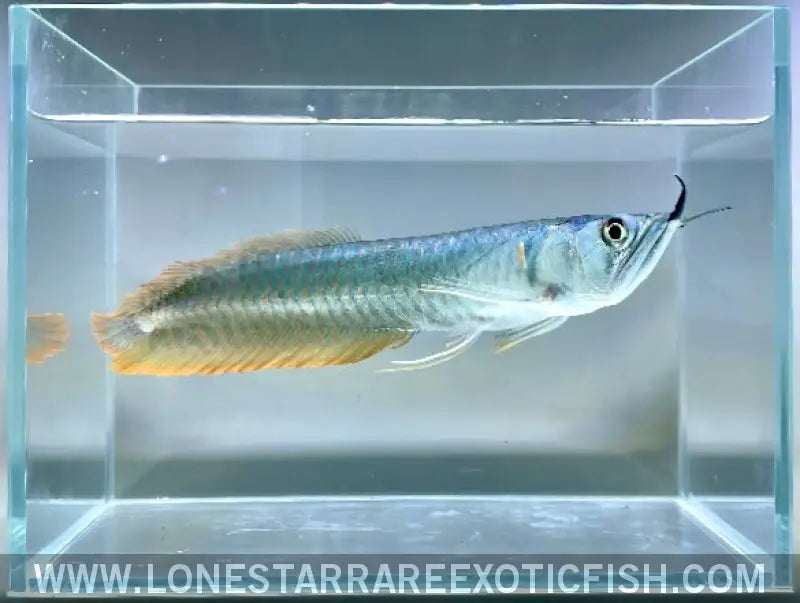
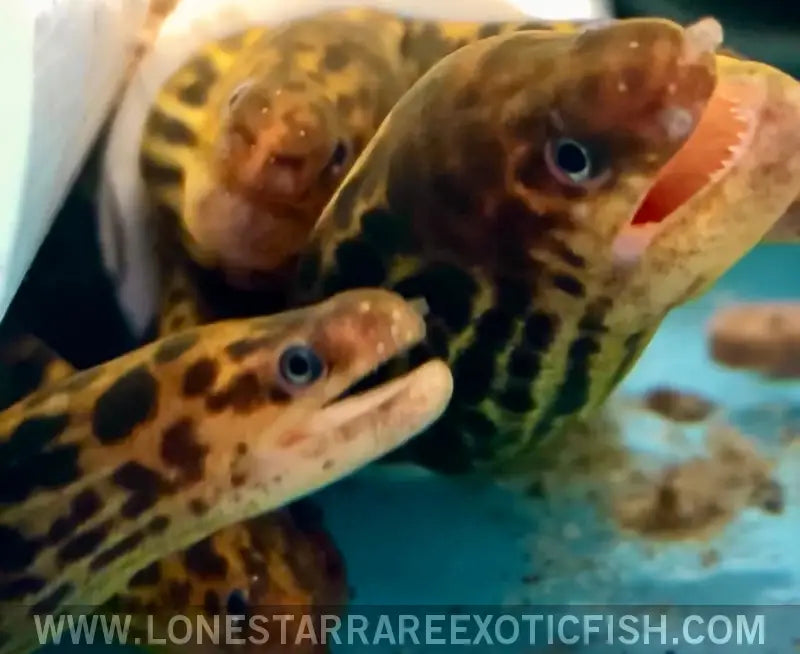
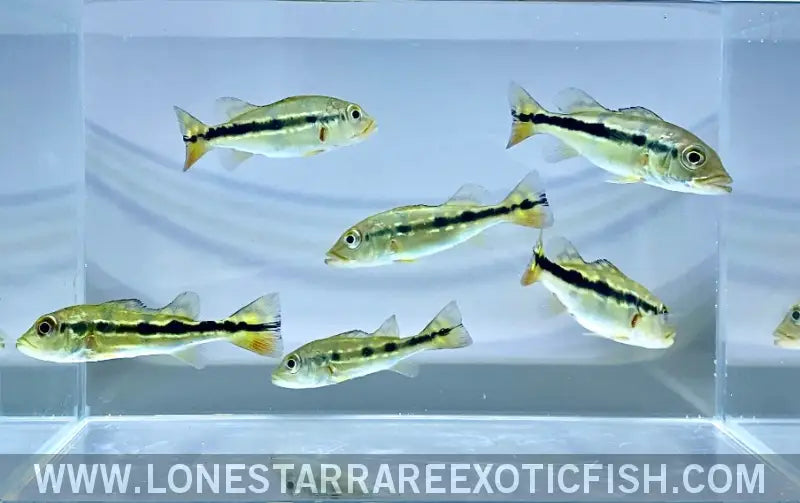
Listing photos often show the species, not the individual fish you'll receive. Some sellers mark listings that show the actual fish, often as WYSIWYG ("what you see is what you get"). If the individual matters to you, look for that label or ask.
Many rare fish are sold as special orders: the seller sources the fish from suppliers or importers after you order, rather than holding it in stock. Before you place one, check:
- How long it usually takes, and the longest it can take. Several weeks is common, and some take a month or two.
- Whether photos on the listing show the actual fish or are for reference only.
- Whether an order that mixes in-stock and special order fish is held until everything is ready to ship.
- What happens if a supplier can't fill the order, and whether you can get a full refund after a set time.
- The cancellation terms, since some sellers charge a restocking fee if you cancel before the fish ships.
Disease: the part no seller can promise away
No honest seller, online or brick-and-mortar, can promise that a fish carries no parasites or bacteria. Some infections don't show until a fish has been stressed and moved, and shipping is a move. The risk isn't higher because a fish came in a box. It's higher when a new fish goes straight into an established tank with nothing in between.
A bare quarantine tank with a seeded sponge filter, a heater and a lid is cheap insurance, especially if your main tank holds fish that took years to grow out. Watch new arrivals there for several weeks before they join the others, and treat anything that turns up in a small volume of water instead of your whole system.
Is that fish legal where you live?
States set their own rules. Texas, for example, prohibits the species on the Texas Parks and Wildlife Department's prohibited exotic species list, which includes freshwater stingrays, piranhas, arapaima, electric eels and payara, among many others (TPWD prohibited species list). Other states keep their own lists. California, for example, restricts gar (14 CCR § 671). Our list of illegal fish by state has every state's rules. Before you order a predator or anything unusual, check with your state's wildlife agency rather than relying on the seller to check for you. The permit, if you need one, is yours to hold.
Ask before you buy
A good seller answers questions about species, tank readiness and timing before you buy. If you can't get a clear answer about ship days, weather rules or the guarantee, treat that as a warning sign.
FAQ
Can live fish be shipped to Hawaii?
It depends on the seller and on Hawaii's import rules. Many mainland live-fish sellers ship only to the lower 48 states and Alaska, so check before you order.
What happens if nobody is home when the box arrives?
Most live arrival guarantees require delivery on the first attempt and a report within a short window after the marked delivery time. Pick a delivery date when you'll be home. Overnight packages often arrive by late morning or midday, depending on the carrier and your location.
Can I return a fish I don't want?
Usually not. Most live-fish sellers don't accept returns on live fish. Losses on arrival are handled by the seller's live arrival guarantee, if it has one, and some sellers offer optional protection plans that cover deaths for a week or a month afterward.
How long does a special order take?
It varies by seller and supplier. Several weeks is common, and some take a month or two. Ask for the usual time and the maximum before you order.
It's cold (or hot) where I live. Can fish still ship?
Often, yes, with insulated packaging and a heat pack in cold weather. In extreme cold or heat, careful sellers wait rather than risk the fish. Check the seller's weather policy.
Can I pick up instead?
Some sellers offer local pickup by arrangement. Ask before you order.